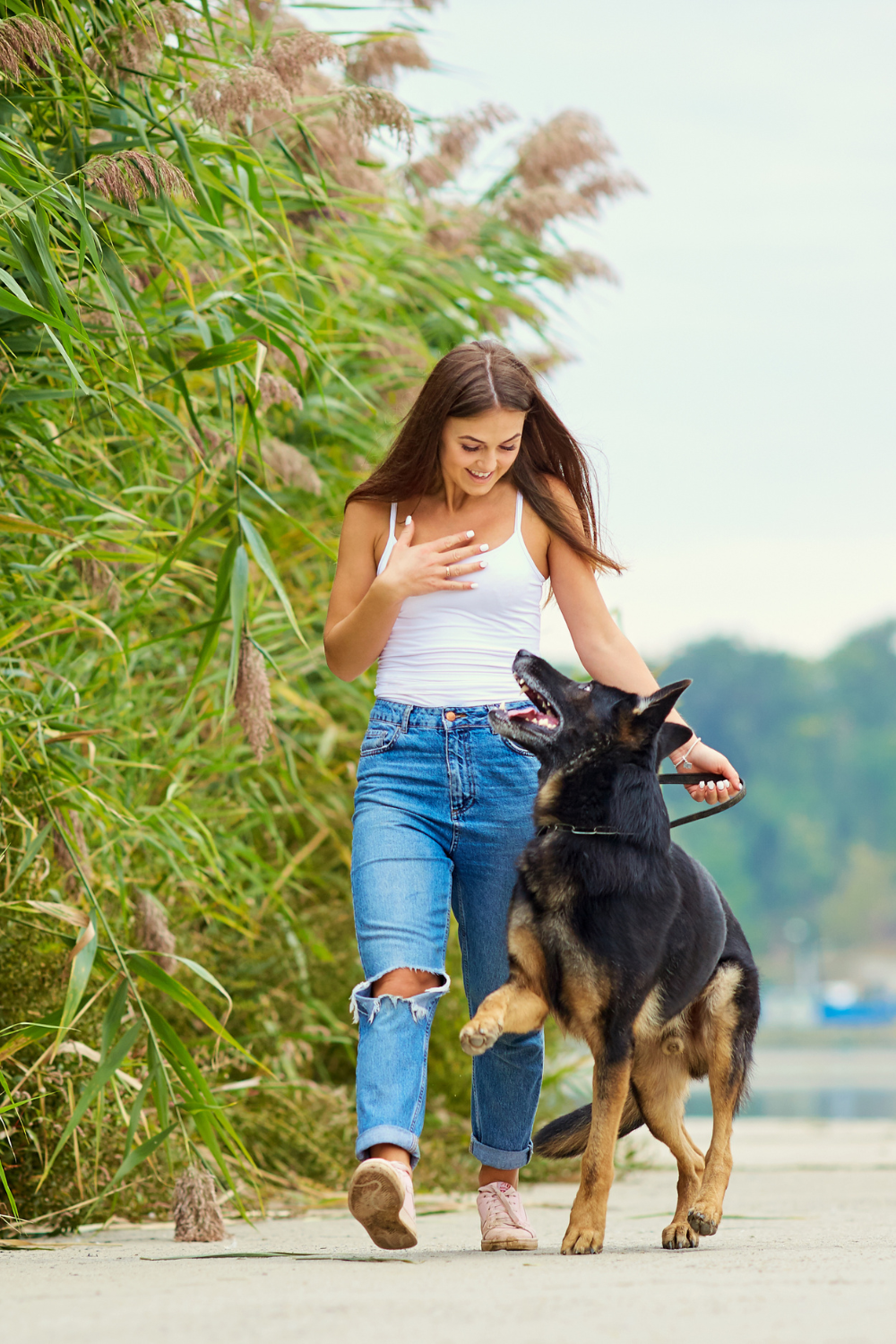
Dog training is an essential part of pet ownership. Not only does it ensure that your furry friend behaves appropriately, but it also strengthens your bond with them.
Whether you’re a first-time dog owner or experienced, mastering the basic obedience of dogs is fundamental to having a well-adjusted and happy pup.
This blog explores proven strategies to train dogs and outlines how these techniques work for all breeds, regardless of size or temperament.
By the end, you’ll have actionable steps to turn your dog into a well-mannered companion.
Table of Contents
- Why Basic Obedience of Dogs Matters
- Key Commands to Teach Your Dog
- Positive Reinforcement Training
- Consistency and Patience in Dog Training
- Common Challenges and How to Overcome Them
- Benefits of Training All Breeds
- Training Tools and Techniques to Simplify the Process
- A Comparison Table of Training Methods and Their Benefits
- Frequently Asked Questions
Why Basic Obedience of Dogs Matters
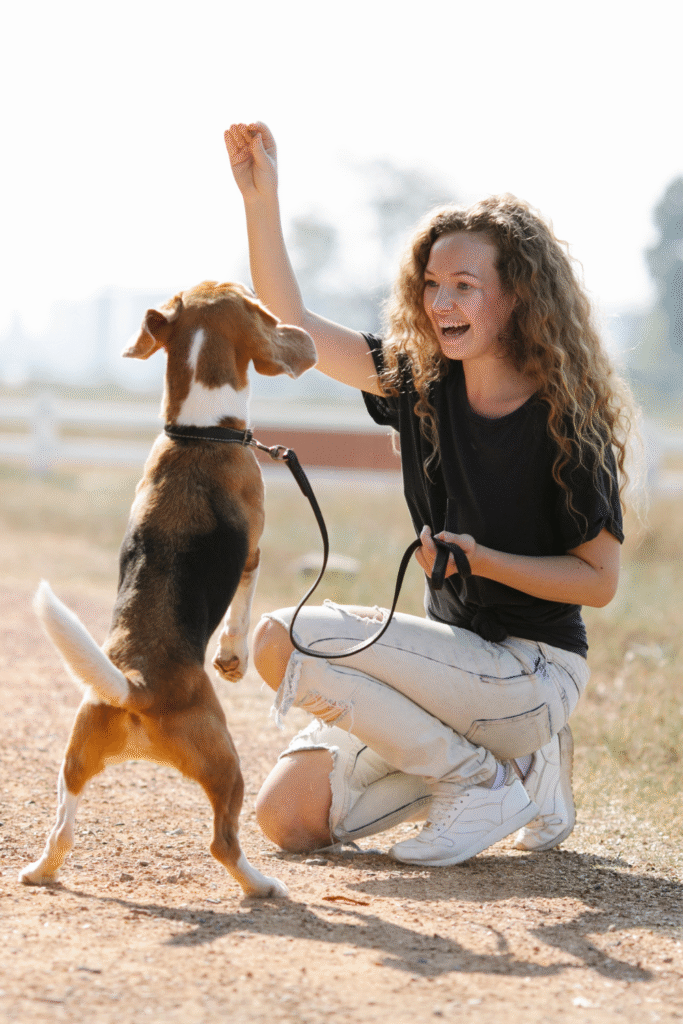
Basic obedience of dogs is the foundation for a harmonious relationship between you and your pet. A well-trained dog is not just about good manners—it ensures everyone’s safety and sets the groundwork for advanced behaviors. Consider these benefits:
- Obedient dogs are less likely to display behavioral issues such as jumping, barking excessively, or chewing furniture.
- Training builds mutual trust, helping your dog respond to your commands in potentially dangerous situations.
- An obedient dog is welcome in more environments, from dog parks to restaurants that allow pets.
- Training offers mental stimulation, which prevents boredom-induced problems like digging or whining.
- Basic commands like “sit” and “stay” create structure and improve communication between you and your pet.
- Obedience enhances the dog’s quality of life by allowing more freedom. A trained dog can roam leash-free in safe spaces.
- It promotes socialization as your dog becomes more comfortable and calm around others.
- Reduces stress for dog owners by eliminating unpredictable and chaotic behaviors.
- Provides lifelong tools to manage your dog’s behavior in different environments.
- Ultimately, training leads to happier pets and owners, fostering a deeper connection.
Key Commands to Teach Your Dog
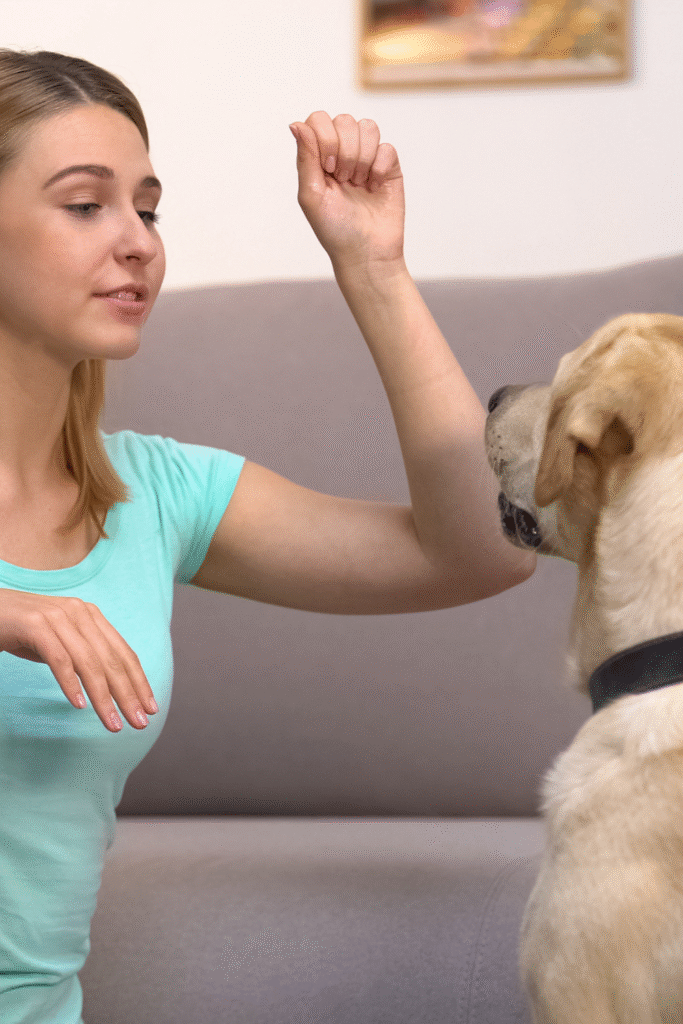
Teaching core commands during early training is integral. The basic obedience of dogs often revolves around these essential instructions, ensuring pets become well-behaved family members:
- Sit – This command helps dogs settle down and is the foundation for more advanced behaviors.
- Stay – Enhances your dog’s ability to remain in position, decreasing potential chaos in public spaces.
- Come – Critical for recall, especially during outdoor activities. It ensures safety in off-leash situations.
- Heel – Keeps your dog walking calmly beside you without pulling on the leash.
- Leave it – Prevents dogs from picking up harmful objects or engaging in unwanted behaviors.
- Drop it – Ensures your dog promptly releases items they shouldn’t have, avoiding accidents or ingestion.
- Down – Encourages your dog to lie flat, showing submission and focus.
- No – Helps communicate disapproval during unwanted actions, creating behavioral boundaries.
- Watch me – Directs your dog’s attention, fostering better control in distracting environments.
- OK – Acts as a release command, letting the dog know they can stop the previous action.
- Mastering these commands creates a well-rounded, obedient companion suitable for every situation.
Positive Reinforcement Training
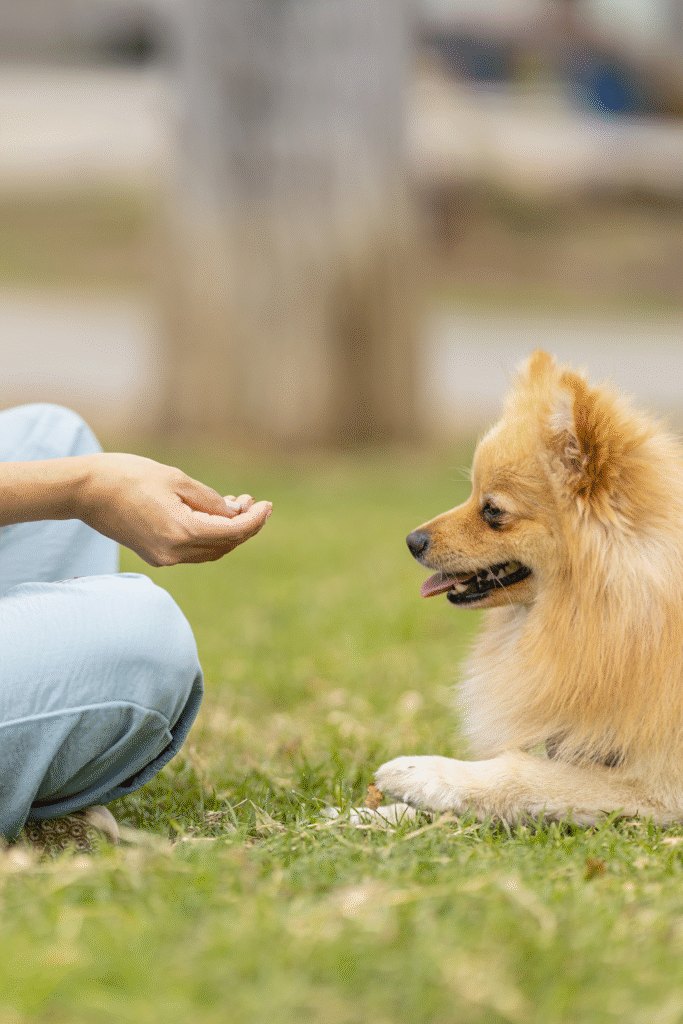
Positive reinforcement has become the gold standard in dog training for its effectiveness and humane approach. This method focuses on rewarding desired behaviors rather than punishing negative ones. Here’s why this approach complements the basic obedience of dogs:
- Rewards such as treats, praise, or toys motivate dogs to repeat good behavior.
- Positive reinforcement builds trust, avoiding fear or anxiety that punishment-based methods may cause.
- It’s highly adaptable and can be used for all breeds, temperaments, and ages.
- Dogs learn faster because they associate training with pleasurable outcomes.
- Reinforcement can be immediate, making it easier for dogs to understand the connection between action and reward.
- It encourages dogs to think independently and choose good behavior.
- The method strengthens the bond between owner and dog through cooperative interactions.
- By focusing on rewards, unwanted behaviors gradually diminish as they aren’t acknowledged.
- It’s a humane and ethical approach, aligning with modern animal welfare perspectives.
- Successes are more consistent because dogs are genuinely motivated to please.
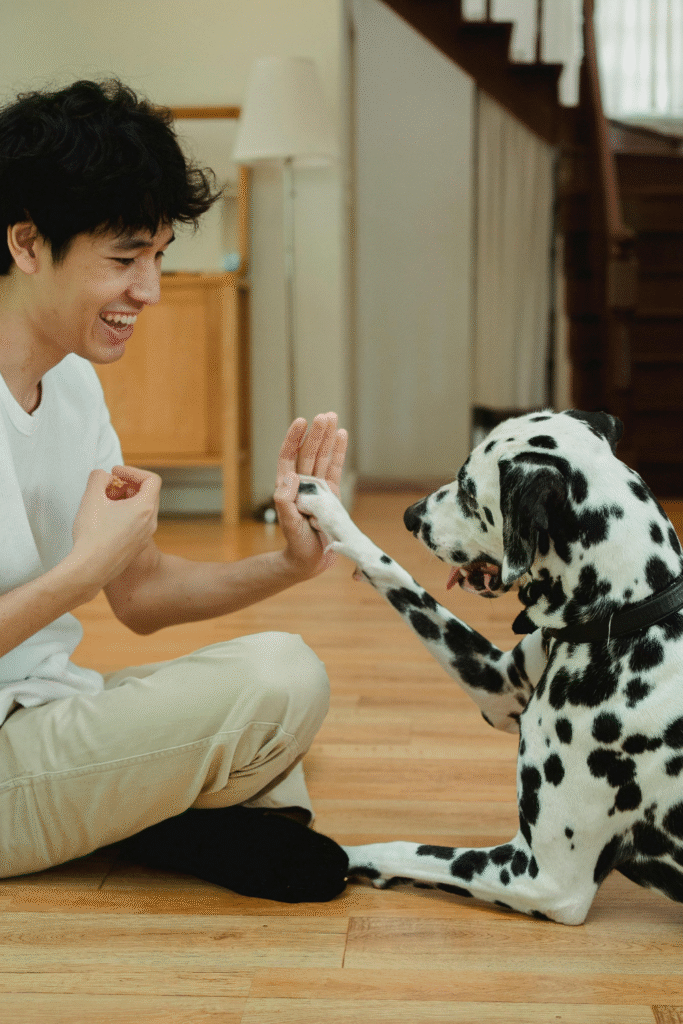
Consistency and Patience in Dog Training
Training isn’t an overnight miracle—it requires dedication. The basic obedience of dogs becomes successful when owners commit to consistent and patient practices. Some points to remember:
- Use the same commands and tones each time to avoid confusing your dog.
- Schedule training sessions at the same time daily, creating a structured routine.
- Reinforce learned behaviors during mealtime, walks, or playtime to maintain progress.
- Celebrate incremental successes rather than expecting perfection immediately.
- Avoid frustration. Dogs sense your energy, and a calm demeanor yields better results.
- Keep training sessions short (10-15 minutes) to maintain your dog’s attention span.
- Always end sessions on a positive note with rewards and affection.
- Be patient with older dogs or rescues, who may take longer to unlearn bad habits.
- Consistency isn’t just for commands; reward behavior uniformly across all settings.
- Training success grows over weeks or months, so patience is key to long-term results.
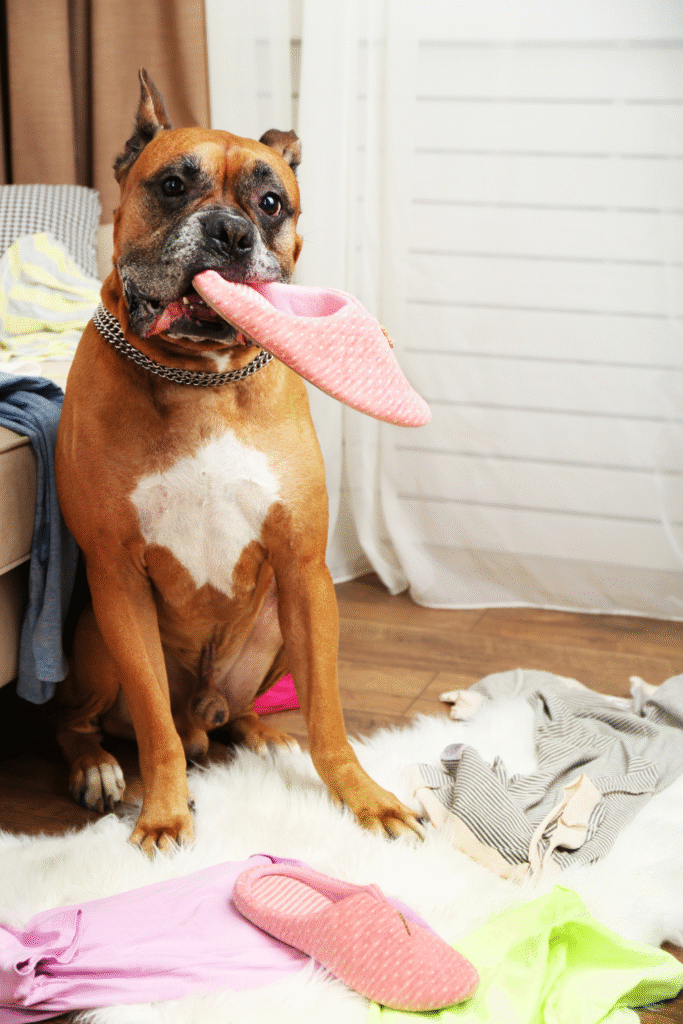
Common Challenges and How to Overcome Them
Every dog offers unique challenges during training. Here are common obstacles and how mastering the basic obedience of dogs can address them:
- Distractions – Train in a quiet area before gradually increasing distractions to build focus.
- Stubbornness – Break commands into smaller steps and reward incremental achievements.
- Fearfulness – Use gentle, encouraging tones and create positive associations with training.
- Excessive Energy – Exercise your dog before training to burn off excess enthusiasm.
- Short Attention Span – Keep sessions engaging and brief to match your dog’s learning capacity.
- Pulling on Leash – Use treats or toys to train proper leash manners during walks.
- Barking – Identify triggers and use commands like “quiet” alongside positive reinforcement.
- Jumping – Teach alternate behaviors, such as sitting when guests arrive.
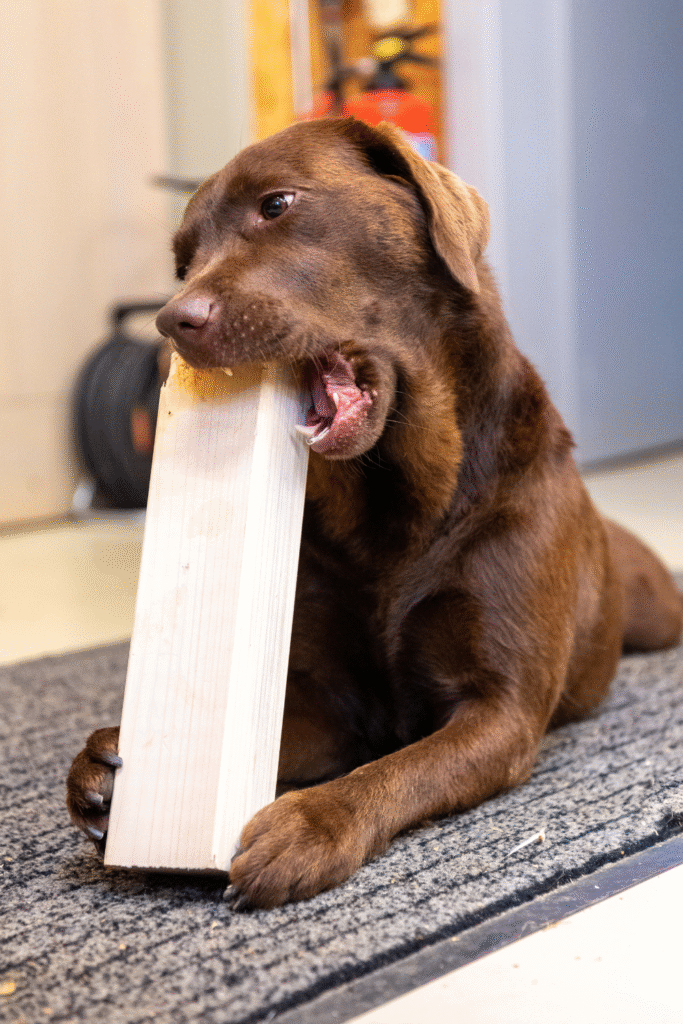
- Chewing – Redirect attention to chew toys and ensure supervision in training.
- Lagging Recall – Practice recall in safely enclosed spaces, gradually adding distractions.
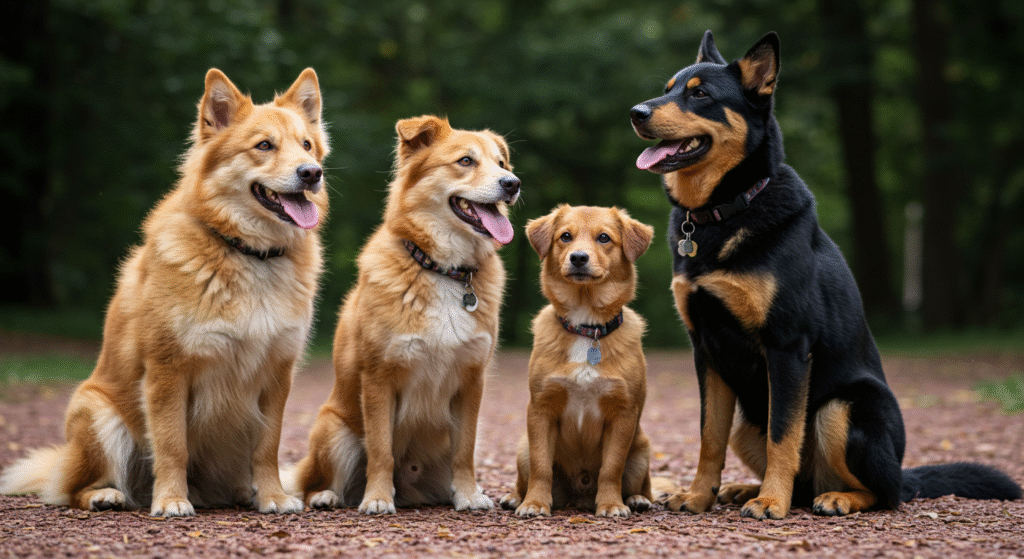
Benefits of Training All Breeds
Despite stereotypes, all breeds, from Chihuahuas to Great Danes, benefit from obedience training. Here’s why it’s essential regardless of size, age, or temperament:
- Training transcends breed quirks and addresses universal behaviors.
- Large breeds (e.g., German Shepherds) gain better control, improving safety.
- Smaller breeds (e.g., Dachshunds) learn to manage anxiety-driven behaviors like barking.
- Aggression-prone breeds benefit from structured training for harmonious interactions.
- Even senior dogs can improve their habits and adapt to new routines.
- Mixed breeds thrive with individualized training to meet their unique needs.
- Training enhances the relationship between breed-specific instincts and positive behaviors.
- Dogs with minimal exposure to socialization (e.g., rescue dogs) build confidence through training.
- Consistency ensures owners across all breeds achieve similar long-term results.
- Every dog deserves the chance to unlock its full potential, regardless of breed specifics.

Training Tools and Techniques to Simplify the Process
Simplify the basic obedience of dogs with the right tools and techniques:
- Clickers – Offer precise sound signals to mark good behavior.
- Leashes and harnesses – Provide control, especially during recall and leash-focused training.
- Treat pouches – Keep rewards easily accessible during on-the-go training sessions.
- Interactive toys – Engage your dog’s attention while reinforcing positive actions.
- Crates – Aid house training and promote calmness in excitable puppies.
- Target sticks – Help guide complex commands, like spins or extended stays.
- Calming aids – Useful for anxious dogs during training in new environments.
- Training mats – Create a dedicated spot for your dog to associate with learning.
- Whistles – Enhance distance commands, especially for working or outdoor dogs.
- Gentle collars – Provide correction without causing discomfort.
A Comparison Table of Training Methods and Their Benefits
| Positive Reinforcement | Reward-based learning | Builds trust, fosters enthusiasm for training |
| Clicker Training | Sound-based marker system | Accurate behavior communication |
| Crate Training | Teaching through confinement | Aids house training and reduces anxiety |
| Leash Training | Walking calmly on a leash | Improves outdoor control and builds obedience |
| Socialization Training | Focus on interacting with others | Reduces fear, aggression, and improves confidence|
Frequently Asked Questions
1. What age should I start training my dog?
Puppies as young as 8 weeks can begin training with simple commands, but older dogs can be taught, too. Start as soon as possible.
2. Can you train older dogs?
Yes! While it may take longer, older dogs can unlearn bad habits and adopt new ones with patience and consistency.
3. How do I stop my dog from biting?
Teach the “leave it” or “no bite” command. Provide teething toys to redirect biting and avoid aggressive play styles.
4. What’s the best way to train stubborn dogs?
Break tasks into smaller, achievable steps. Use high-value treats and train in distraction-free spaces.
5. Is punishment effective in dog training?
No, punishment often creates fear and anxiety. Focus on positive reinforcement for better results.
6. How long should training sessions last?
Short sessions (10–15 minutes) are ideal to maintain attention and prevent exhaustion.
7. How can I improve recall?
Practice in an enclosed area, repeat frequently, and use enticing rewards or toys.
Do smaller breeds need obedience training?
Absolutely! Training ensures small dogs don’t develop behavioral issues due to their size advantages.
9. What treats work best during training?
Use small, soft treats that your dog values highly, like chicken or commercial training treats.
10. Can I train my dog myself, or should I hire a professional?
Self-training is possible for motivated owners. However, professionals can assist if challenges arise.
Mastering the basic obedience of dogs can transform your furry friend into a well-mannered, joyful companion. Whether you’re a first-timer or a seasoned dog owner, the tips in this guide cover all bases for success.