Dog hygiene tips are essential for keeping your pet healthy, active, and happy. Good hygiene is not only about keeping your dog clean but also about protecting their overall health. Regular grooming, brushing, bathing, and dental care help maintain healthy skin, a shiny coat, and fresh breath. A proper hygiene routine also strengthens your bond with your dog and helps you notice any unusual changes early.
Proper cleanliness prevents infections, skin diseases, parasites, and bad odors. Simple habits like cleaning ears, trimming nails, brushing teeth, and washing bedding reduce harmful bacteria. In this guide, we will cover 10 essential dog hygiene tips every pet owner should follow for better long-term health.
1. Regular Brushing
Regular brushing is one of the most important dog hygiene tips every pet owner should follow. Brushing keeps your dog’s coat clean, shiny, and free from dirt. Different coat types need different care. Short-haired dogs may not tangle easily, but they still shed loose hair and collect dust. Brushing them helps remove dead hair and spreads natural oils on the skin. Long-haired dogs need more attention because their fur can easily form knots and mats. Without regular brushing, their coat can become tangled and uncomfortable. Following simple dog hygiene tips like daily or weekly brushing keeps your dog looking healthy and feeling relaxed.
How often you brush depends on your dog’s breed and coat length. Short-haired dogs can be brushed two to three times a week. Long-haired or double-coated breeds may need brushing every day to prevent tangles. Consistent brushing is one of the easiest dog hygiene tips to maintain at home. It also gives you a chance to check for fleas, ticks, dry skin, or small wounds. Early detection can prevent bigger health problems later.
Brushing also helps control shedding and prevents matting. Mats can pull on your dog’s skin and cause pain or infection. By following regular dog hygiene tips like brushing with the right comb or brush, you reduce hair around your home and keep your pet comfortable. A simple brushing routine improves both hygiene and overall health.
2. Proper Bathing Routine
A proper bathing routine is another essential part of dog hygiene tips that keeps your pet clean and fresh. Bathing removes dirt, bacteria, and bad odor from your dog’s coat. However, dogs do not need daily baths like humans. Too much bathing can remove natural oils from their skin and cause dryness. Most dogs need a bath every four to six weeks. Active dogs that play outside may need bathing more often. Including a balanced bathing schedule in your dog hygiene tips routine helps maintain healthy skin.
Choosing the right shampoo is very important. Always use a shampoo made especially for dogs. Human shampoos can be too harsh and may cause itching or irritation. Some dogs have sensitive skin and may need medicated or hypoallergenic shampoo. Reading product labels carefully is one of the smart dog hygiene tips responsible owners follow. You can also ask a veterinarian if you are unsure which product suits your dog.
3. Dental Care and Teeth Brushing
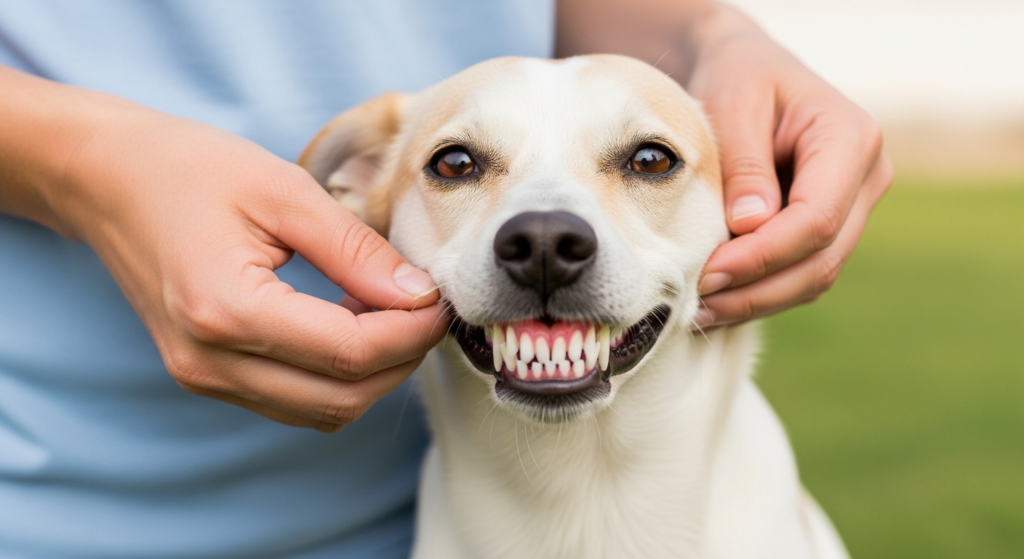
Dental care is often ignored, but it is one of the most critical dog hygiene tips for long-term health. Poor dental hygiene can lead to bad breath, gum disease, and even serious infections that affect the heart and kidneys. Food particles and plaque build up on your dog’s teeth daily. Without proper cleaning, this buildup can turn into tartar and cause pain. Including dental care in your regular dog hygiene tips routine protects your pet from preventable diseases.
Brushing your dog’s teeth two to three times a week is highly recommended. Use a toothbrush and toothpaste made especially for dogs. Never use human toothpaste because it contains ingredients that can harm dogs. Start slowly and gently so your dog becomes comfortable with the process. Consistent practice is one of the most effective dog hygiene tips for maintaining strong teeth and healthy gums. Rewarding your dog after brushing can make the experience positive.
Dental chews and toys can also help reduce plaque buildup. They are useful additions to your dog hygiene tips plan but should not replace brushing completely. Some owners also choose dental wipes or water additives for extra support. By following proper dog hygiene tips for oral care, you improve your dog’s comfort, health, and quality of life. Healthy teeth mean fewer vet visits and a happier pet.
4. Nail Trimming
Nail trimming is an important part of dog hygiene tips that many pet owners forget. Long nails can cause serious problems for your dog. When nails grow too long, they touch the ground and put pressure on the toes. This changes your dog’s walking posture and may cause pain in the legs and joints. Over time, improper posture can lead to joint stress and back problems. Following simple dog hygiene tips like regular nail trimming keeps your dog comfortable and active.
Long nails can also break or split, which may cause bleeding and infection. Some dogs may avoid walking or playing because of discomfort. Checking your dog’s nails every week is one of the easiest dog hygiene tips to follow. If you hear clicking sounds when your dog walks on the floor, it is usually a sign that the nails are too long. Most dogs need nail trimming every three to four weeks, but active dogs that walk on hard surfaces may naturally wear their nails down and need trimming less often.
5. Ear Cleaning
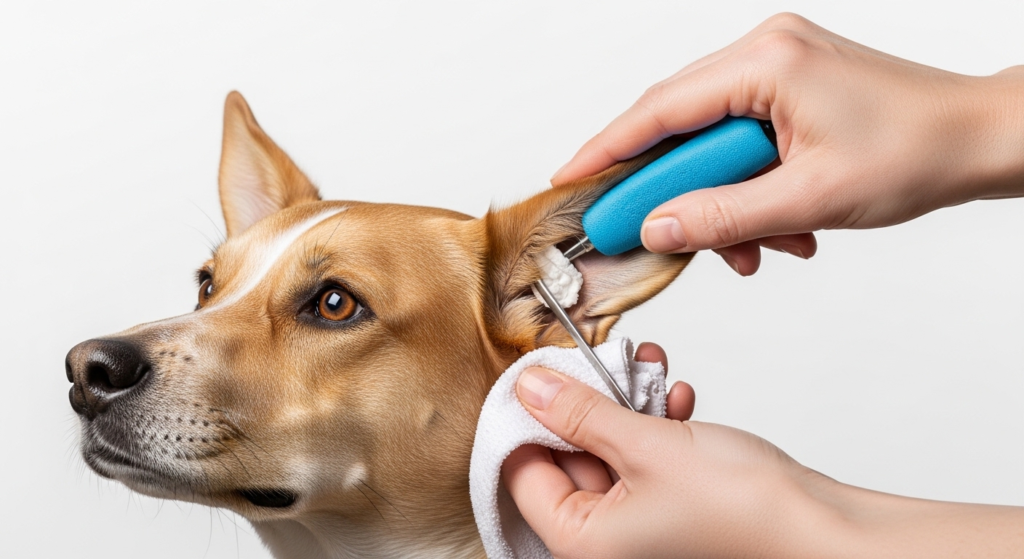
Ear cleaning is another essential step in dog hygiene tips that protects your pet from infections. Dogs can easily develop ear problems because their ear canals are deep and can trap dirt and moisture. Signs of dirty or infected ears include bad smell, redness, swelling, excessive scratching, and dark discharge. If your dog shakes their head often, it may also be a warning sign. Paying attention to these symptoms is one of the most important dog hygiene tips for early prevention.
Safe ear cleaning methods should always be gentle. Use a vet-approved ear cleaning solution made specifically for dogs. Never use cotton swabs deep inside the ear, as they can push dirt further in or damage the ear canal. Instead, place a few drops of cleaning solution into the ear, gently massage the base, and wipe the outer part with a soft cotton pad. Following careful dog hygiene tips reduces the risk of injury and infection.
The frequency of cleaning depends on your dog’s breed and lifestyle. Dogs with floppy ears or those that swim often may need weekly cleaning. Other dogs may only need ear care once or twice a month.
6. Eye Care
Eye care is a gentle but necessary part of dog hygiene tips that supports your pet’s comfort and vision. Some dogs develop tear stains, especially light-colored breeds. These stains can make the face look dirty and may lead to skin irritation if not cleaned properly. You can remove tear stains by gently wiping the area with a soft, damp cloth or a vet-approved eye wipe. Including eye cleaning in your daily dog hygiene tips routine keeps your dog’s face fresh and clean.
It is also important to check your dog’s eyes regularly for redness, swelling, or unusual discharge. Clear and bright eyes are signs of good health. Yellow or green discharge may indicate infection. Squinting or excessive tearing can also signal irritation or injury. Observing these signs is one of the smart dog hygiene tips every responsible owner should practice.
7. Paw and Pad Hygiene
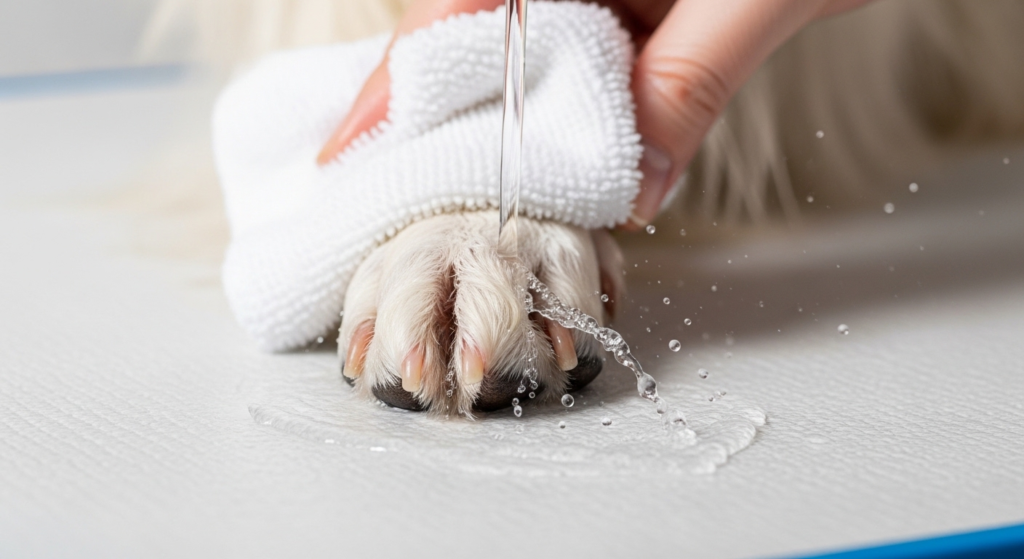
Paw care is an important part of dog hygiene tips because your dog’s paws touch the ground every day. During walks, paws collect dirt, mud, bacteria, and even harmful chemicals from roads. Cleaning paws after walks helps prevent infections and keeps your home clean. You can use a damp cloth or pet-safe wipes to gently clean between the toes and around the pads. Adding paw cleaning to your daily dog hygiene tips routine protects your dog from germs and irritation.
It is also important to check for cuts, cracks, or small stones stuck between the toes. Even small injuries can cause pain or infection if ignored. Look for redness, swelling, or limping, as these may be signs of a problem. Regular inspection is one of the simplest dog hygiene tips that helps detect issues early. Keeping the fur around the paws trimmed can also reduce dirt buildup and improve cleanliness.
8. Coat and Skin Inspection
Regular coat and skin inspection is one of the most valuable dog hygiene tips for maintaining overall health. Your dog’s coat protects their body, so keeping it clean and healthy is essential. While brushing, take time to check for fleas and ticks. These parasites can hide under thick fur and cause itching, irritation, and disease. Early detection through simple dog hygiene tips can prevent serious health problems.
You should also look for signs of dry skin, redness, rashes, or hair loss. Constant scratching or licking may indicate allergies or skin infections. Identifying these issues early is an important part of dog hygiene tips that supports long-term wellness. If you notice flaky skin, you may need to adjust your dog’s diet or grooming products. Sometimes, dry skin can be caused by over-bathing or using harsh shampoos.
Using preventive treatments is another essential step in dog hygiene tips. Flea and tick prevention products, recommended by a veterinarian, help protect your dog year-round. Regular grooming and proper nutrition also improve coat quality and skin health.
9. Clean Bedding and Living Area
Keeping your dog’s bedding and living space clean is one of the most practical dog hygiene tips for a healthy environment. Dogs spend many hours resting in their beds, so dirty bedding can collect hair, dirt, bacteria, and parasites. Washing dog bedding at least once a week helps remove germs and bad odors. Clean bedding is an easy but powerful step in maintaining strong dog hygiene tips at home.
Toys and food bowls should also be cleaned regularly. Dirty bowls can grow bacteria that may cause stomach problems. Wash food and water bowls daily with warm soapy water. Disinfect toys weekly, especially if your dog chews them often. Including these habits in your dog hygiene tips routine keeps your pet safe from harmful germs.
Conclusion
Dog hygiene tips are essential for keeping your pet healthy, clean, and comfortable. Simple habits like brushing, bathing, nail trimming, ear cleaning, and dental care help prevent infections and serious health problems. Regular inspection of paws, skin, eyes, and coat allows you to detect issues early. Keeping bedding, toys, and living areas clean also protects your dog from harmful bacteria. By following these dog hygiene tips consistently, you improve your dog’s quality of life and reduce costly vet visits. A clean dog is not only happier but also more active and energetic. Small daily efforts make a big difference in long-term health.
FAQs
How can I make my dog comfortable during grooming?
Start grooming slowly and calmly. Let your dog smell grooming tools before using them. Offer treats and praise to create a positive experience. Keep grooming sessions short in the beginning and increase time gradually. Consistency is important when applying dog hygiene tips at home. A calm tone and gentle touch help your dog feel safe. Over time, your pet will become more comfortable and cooperative during grooming sessions.
Is it safe to use natural products for dog hygiene?
Some natural products are safe, but you must be careful. Not all human natural remedies are suitable for dogs. Always choose pet-safe products that are specially made for animals. Before trying new treatments, consult a veterinarian. Good dog hygiene tips include reading labels and avoiding strong essential oils that may irritate your dog’s skin. Safe and gentle products help maintain cleanliness without causing allergies or discomfort.
How can I manage dog odor between baths?
To manage odor between baths, brush your dog regularly and wipe the coat with pet-safe wipes. Cleaning bedding and living areas also reduces smell. You can use dog-friendly deodorizing sprays if needed. Healthy diet and proper dental care also improve body odor. Following daily dog hygiene tips helps control smell without over-bathing. Keeping ears and paws clean is especially important for preventing unpleasant odors.
What should I include in a basic dog hygiene kit?
A basic dog hygiene kit should include a brush or comb, dog shampoo, nail clippers, toothbrush and dog toothpaste, ear cleaning solution, and pet wipes. You may also add paw balm and grooming scissors. Having these tools at home makes it easier to follow regular dog hygiene tips. Keeping everything organized in one place saves time and encourages consistent grooming routines for your pet.