
Welcoming a new puppy into your home is an exciting experience, but it also comes with responsibilities. The first 30 days are critical for setting the foundation for a healthy, happy, and well-adjusted dog. From training to health care and bonding, every aspect matters when starting this new chapter with your furry friend. This guide walks you through everything you need to know during your pup’s first 30 days to ensure a smooth transition and a lifelong bond.
Table of Contents
- Why the First 30 Days Matter
- Preparing Your Home for Your Puppy
- Training Basics in the First 30 Days
- Health Tips for the First 30 Days
- Bonding with Your Puppy
- Essential Supplies for the First 30 Days
- Daily Routines to Establish
- Addressing Common Challenges
- Table of Tips for Quick Reference
- FAQs
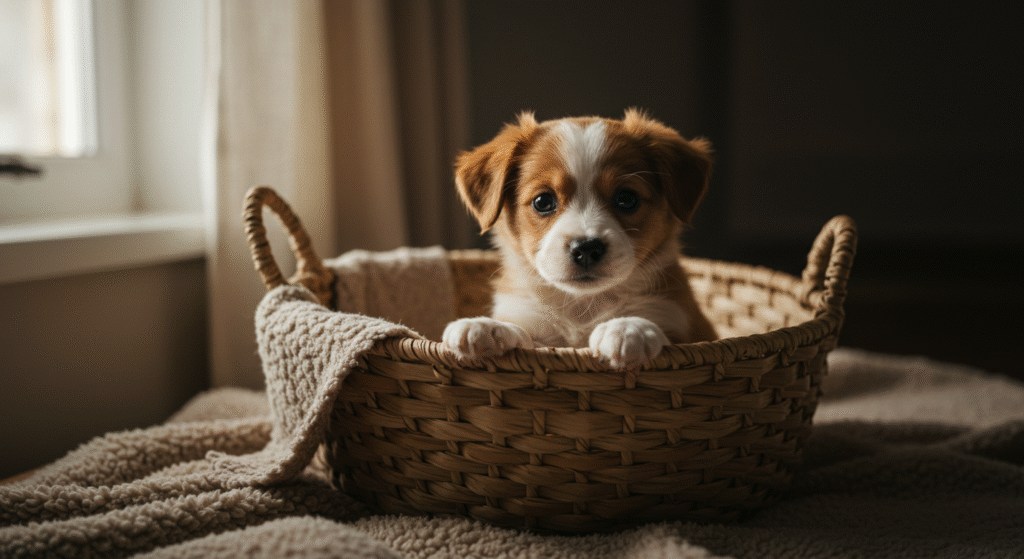
Why the First 30 Days Matter
The first 30 days with your puppy are immensely important as they help shape their behavior, trust, and overall health.
- Puppies are in their developmental stage, making them highly impressionable. This is the ideal time to teach them positive behaviors.
- Early experiences during the first 30 days can impact how your puppy adjusts to new environments and social situations later in life.
- Building a routine early reduces confusion and sets realistic expectations for both you and your puppy.
- Spending quality time in the first 30 days strengthens the emotional bond between you and your furry friend.
- Early veterinary visits during this period ensure that they are healthy and receive required vaccinations.
- Training during this time helps correct bad habits before they can become ingrained.
- A consistent environment during these first 30 days helps your puppy feel secure and builds trust.
- This period allows you to learn and understand your puppy’s unique personality traits and preferences.
- Mistakes made in these initial days may take significantly longer to correct later, underlining the importance of proper care from day one.
- Simply put, the first 30 days set the tone for your entire relationship with your dog.
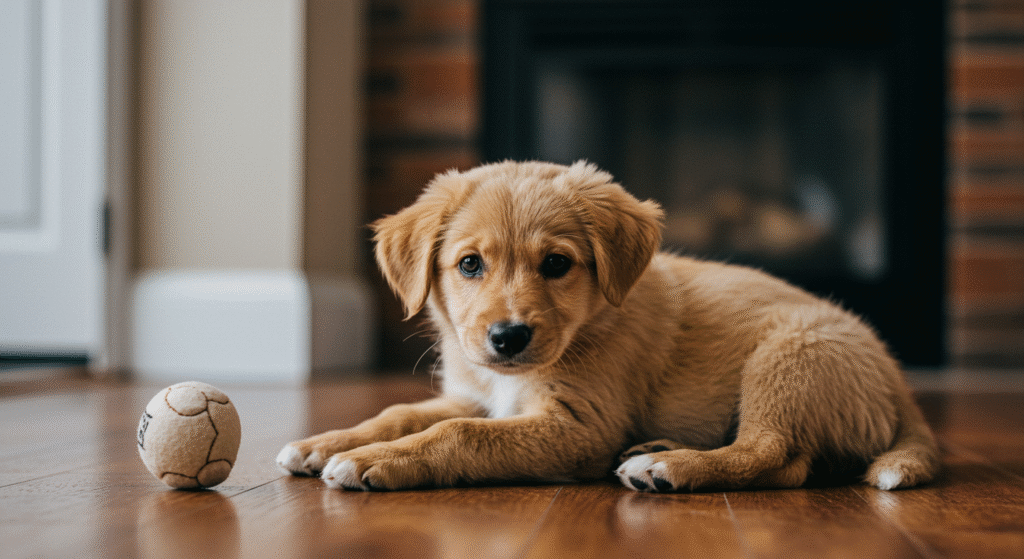
Preparing Your Home for Your Puppy
Getting your home ready is the first step in ensuring a smooth transition during the first 30 days with your new pup.
- Create a dedicated space for your puppy where they can feel safe and comfortable.
- Remove hazards such as electrical wires, poisonous plants, and small items they may swallow.
- Invest in a crate or playpen to provide your puppy with a secure area for sleeping and alone time.
- Place puppy pads in areas that are easy to clean to start housebreaking from day one.
- Set up gates to restrict access to rooms where your puppy shouldn’t wander unsupervised.
- Puppy-proof furniture by removing fragile items or those that may be ruined by chewing.
- Keep cleaning supplies ready for accidents that are bound to happen during the first 30 days.
- Label and organize puppy supplies, such as food, toys, and grooming tools, for easy access.
- If you have other pets, introduce them gradually to avoid overwhelming the new arrival.
- Remember, creating a safe and welcoming space during the first 30 days is the key to easing your puppy’s adjustment.
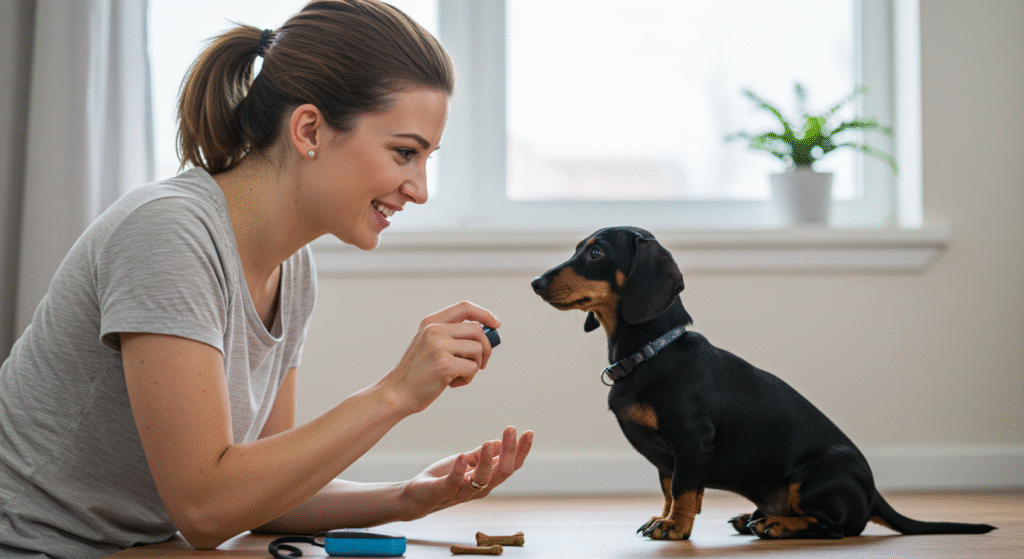
Training Basics in the First 30 Days
Training and obedience lessons should start as soon as your puppy comes home since the first 30 days play a key role in establishing good behavior.
- Begin with name recognition by using their name every time you interact with them.
- Introduce commands like “sit,” “stay,” and “come” using treats and positive reinforcement.
- Create a consistent potty training schedule to prevent accidents and confusion.
- Socialize your puppy by exposing them to new people, environments, and gentle, vaccinated animals.
- Address biting and chewing behavior by offering toys and discouraging biting humans.
- Introduce leash training by walking short distances around your yard or home.
- Avoid punishment-based training and focus instead on rewarding desired behavior.
- Use short, fun training sessions (5-10 minutes) to maintain your puppy’s attention.
- Continue training throughout the first 30 days to build a lasting foundation for good behavior.
- Consistency is essential—make sure all family members follow the same commands and rules.
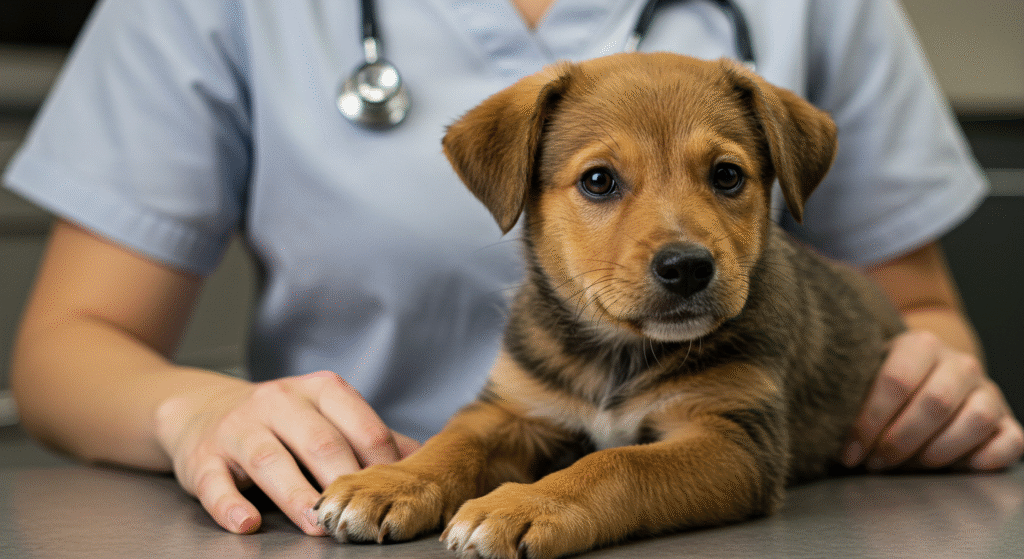
Health Tips for the First 30 Days
Your puppy’s health in the first 30 days sets the stage for a lifetime of vitality and well-being.
- Schedule a veterinary appointment within the first few days of bringing your puppy home.
- Stay up-to-date with vaccinations and de-worming treatments based on your vet’s advice.
- Check for fleas or ticks and consult with your vet on preventive measures.
- Feed your puppy high-quality, age-appropriate food to support growth and energy needs.
- Monitor your puppy for signs of illness like vomiting, diarrhea, or lethargy, and report these to the vet.
- Brush your puppy’s coat weekly to get them used to grooming and to reduce shedding.
- Gradually introduce tooth brushing using a pet-safe toothbrush and toothpaste.
- Keep fresh water available at all times to maintain hydration.
- Avoid outdoor walks in high-traffic areas until your puppy is fully vaccinated.
- Maintain a clean environment to reduce exposure to germs and potential health risks.
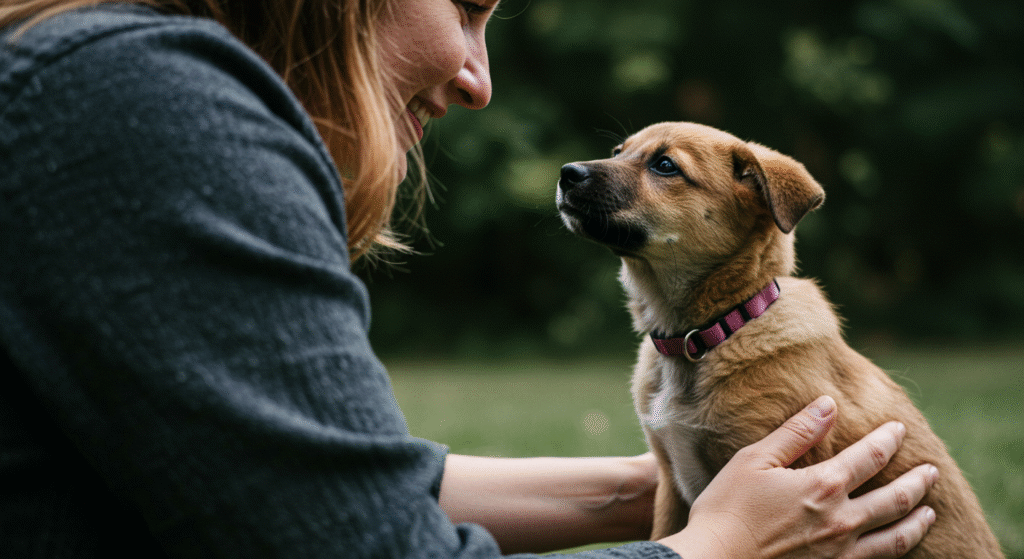
Bonding with Your Puppy
The first 30 days are also about building trust and emotional connections with your new furry family member.
- Spend quality time playing, cuddling, and simply being around your puppy.
- Use a calm and gentle tone when interacting to make your puppy feel safe.
- Engage in interactive play with toys like balls or tug ropes to create fun memories.
- Establish a consistent routine for feeding, sleeping, and training to build trust.
- Talk to your puppy often; they will slowly learn to recognize your voice and respond.
- Offer treats and gentle praise when your puppy behaves well or learns a new skill.
- Spend one-on-one time with your puppy away from distractions for enhanced bonding.
- Be patient and understanding – your puppy is adjusting to a completely new environment.
- Use touch (like gentle petting or belly rubs) to reassure your puppy and show affection.
- Remember, bonding takes time, but trust built during this period will last a lifetime.
⚠️ Common Mistakes to Avoid
- Skipping early training and socialization
- Overfeeding or feeding unsafe human foods
- Not establishing a consistent routine
- Using harsh punishment instead of positive reinforcement
- Ignoring signs of illness
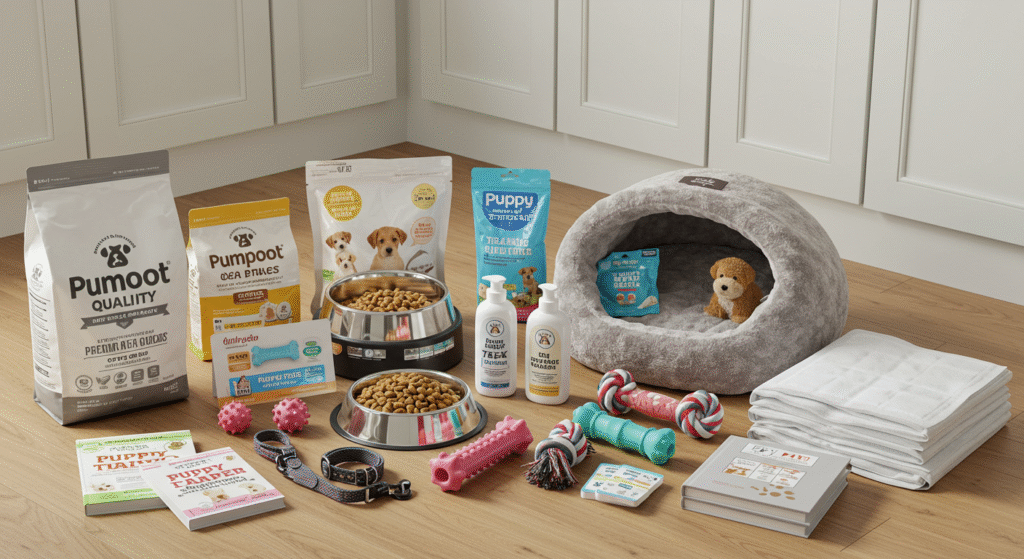
Essential Supplies for the First 30 Days
Having the right supplies during the first 30 days can make caring for your puppy much easier.
| Category | Essential Supplies | Purpose |
| Feeding | Puppy food, food & water bowls | Ensure proper nutrition and hydration |
| Training | Puppy pads, clicker, treats | Aid in housebreaking and basic obedience training |
| Comfort | Crate, bed, blankets | Provide a safe and comfortable environment |
| Play | Chew toys, balls, rope toys | Burn energy and prevent destructive chewing |
| Grooming | Puppy shampoo, brush, toothbrush | Maintain hygiene and get your puppy accustomed to grooming routines |
FAQs
- How often should I feed my puppy in the first 30 days?
Feed your puppy 3-4 times a day depending on its age and breed.
- When should my puppy see a vet for the first time?
Schedule an appointment within the first 7 days of bringing your puppy home.
- What’s the best age for training?
Training can begin as early as 8 weeks, the moment they join your family.
- Can I take my puppy for a walk during the first 30 days
It’s best to wait until your puppy has completed their initial vaccinations, typically at 12-16 weeks, before taking them on walks in public spaces. However, you can allow them to explore safe areas like your backyard to get them used to being outside.
5. How can I help my puppy adjust to their new home?
Provide a consistent routine, a comfortable sleeping area, and plenty of positive reinforcement. Introduce them to family members and other pets gradually to help them feel secure.
6. When should I start training my puppy?
Training should begin as soon as you bring your puppy home. Start with basic commands such as “sit,” “stay,” and “come.” Using positive reinforcement like treats and praise will help your puppy learn quickly and build a strong bond with you. Keep training sessions short and consistent to ensure your puppy stays engaged.
7.How do I socialize my puppy?
Socialization is a crucial part of raising a happy and well-adjusted dog. Expose your puppy to different environments, people, and other animals during the early weeks of their life. Arrange playdates with other puppies, take them on car rides, and introduce them to various sounds and smells. Always supervise these experiences to ensure they’re positive and stress-free.
8.What should I feed my puppy?
Providing your puppy with a balanced and nutritious diet is essential for their growth and overall health. Choose a high-quality puppy food that meets their specific nutritional needs based on their breed, size, and age. Consult your veterinarian for recommendations or guidance on portion sizes and feeding schedules. Fresh water should always be available, and avoid feeding your puppy human food, as it can upset their stomach or be harmful to their health.