
Choosing the right dog bed for your furry friend is more than a matter of comfort—it’s about ensuring their happiness, health, and well-being.
With countless options available, understanding what bed suits not only your pet’s size but also their sleep preferences can feel overwhelming.
This guide will simplify the process, helping you select the perfect dog bed that both you and your pup will love.
Table of Contents
- Why Your Dog Needs the Right Bed
- Understanding Your Dog’s Sleep Style
- Sizing the Perfect Dog Bed
- Types of Dog Beds
- Key Factors to Consider When Buying a Dog Bed
- Materials Matter: Choosing Comfortable and Durable Fabrics
- Specialty Dog Beds for Unique Needs
- Caring for Your Dog Bed
- Comparison of Popular Dog Beds (Table)
- Frequently Asked Questions (FAQs)
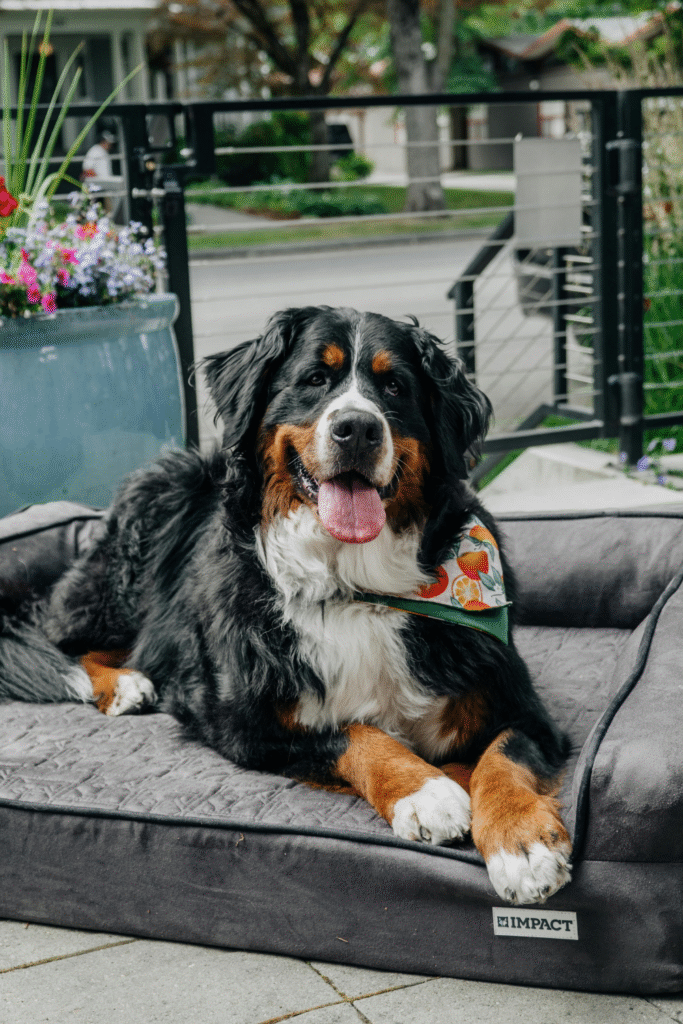
Why Your Dog Needs the Right Bed
Joint Health
A well-designed dog bed provides essential support to your dog’s joints, especially for older dogs or breeds prone to joint issues such as arthritis.
A dog bed is not just a luxury. It serves multiple purposes that directly impact your dog’s quality of life.
Adequate cushioning helps distribute their weight evenly, reducing pressure on sensitive areas and promoting better rest.
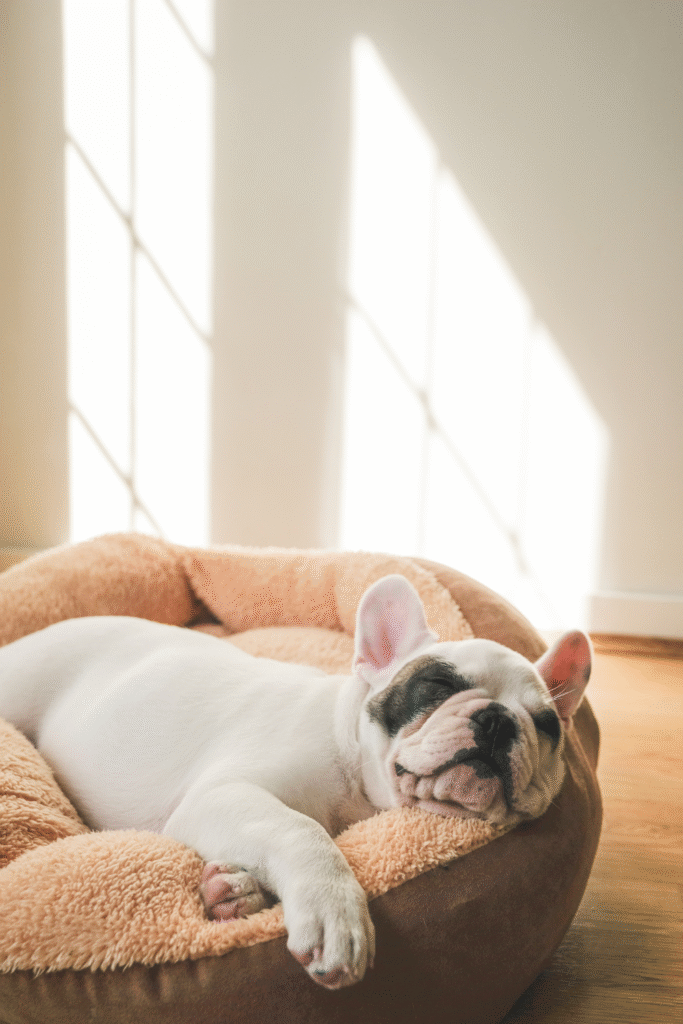
Promotes Better Sleep
Dogs need a dedicated space for a good night’s rest. A comfortable dog bed cushions their joints, especially for older dogs with arthritis.
A high-quality dog bed creates a sense of security and comfort, which helps your dog relax and enjoy deeper, more restorative sleep.
With a cozy sleeping environment, your dog is likely to experience improved energy levels, better mood, and overall enhanced well-being.
Just like humans, dogs thrive on uninterrupted sleep. A cozy dog bed offers a secure spot where they can wind down and sleep deeply.
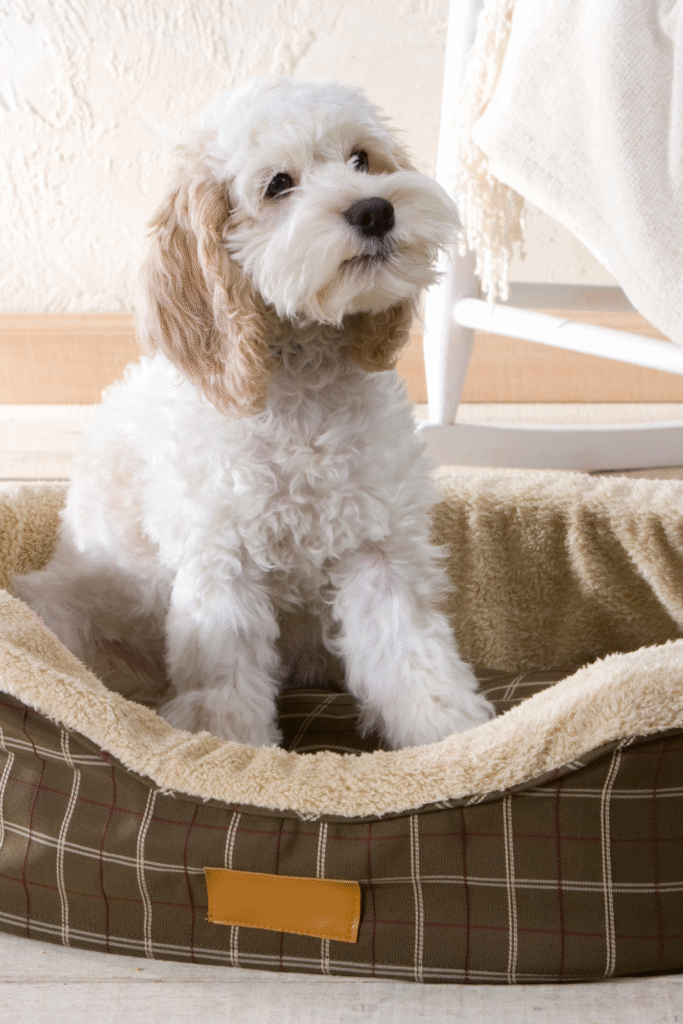
Temperature Control
Many high-quality dog beds are designed with materials that help regulate temperature, ensuring your dog stays cool during hot weather and warm during cold seasons.
Features like memory foam or cooling gels can provide added comfort while maintaining the ideal temperature, creating a consistently pleasant sleeping environment for your furry companion.
Depending on the season, certain beds keep your pet cool or warm. For instance, heated beds are essential during colder months.
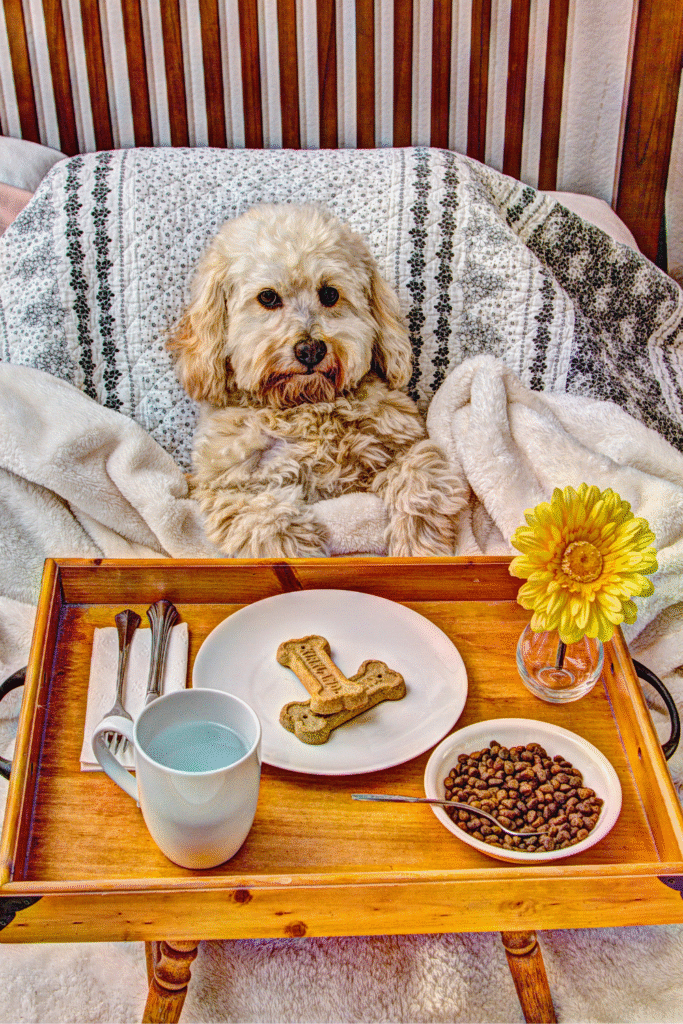
Reduces Anxiety
Providing your dog with a bed that caters to their comfort needs can also help reduce anxiety.
Many high-quality dog beds are designed to offer a sense of security with features like raised edges or cave-like structures.
These create a cozy, enclosed space where your pet can feel safe and relaxed, especially during stressful situations such as thunderstorms or fireworks.
When your dog feels safe in their special space, it reduces stress and calms their nerves.
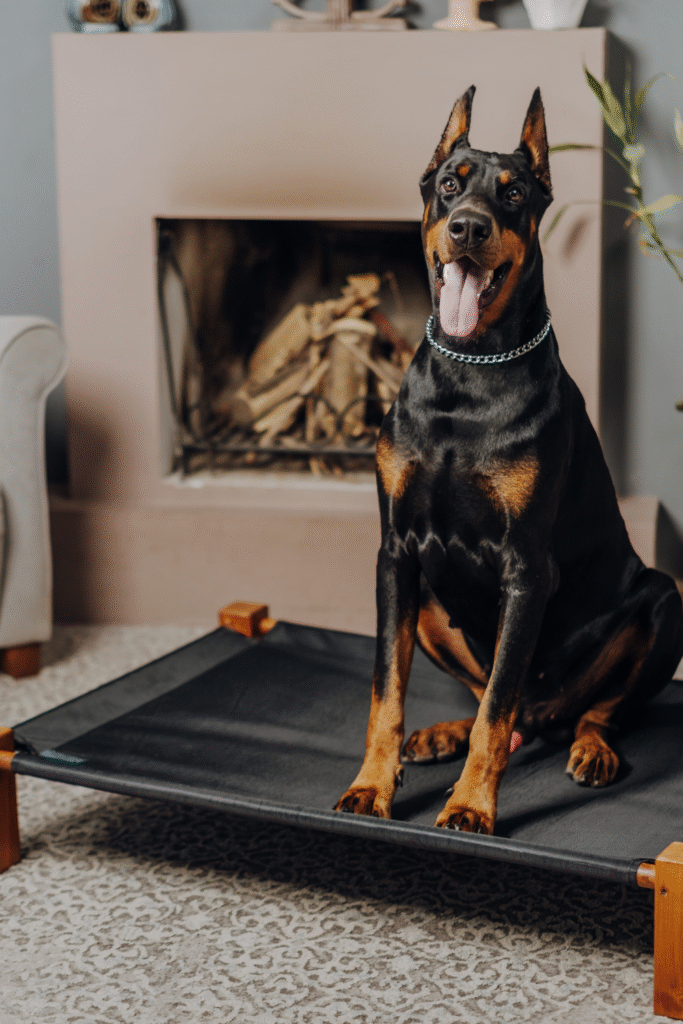
Keeps Your Home Cleaner
Providing your dog with their own bed can go a long way in keeping your home cleaner.
Instead of shedding fur and dirt on your furniture, your dog will have a designated place to rest, minimizing the mess on couches and carpets.
Many dog beds come with removable, washable covers, making it easier to maintain cleanliness and hygiene.
Additionally, having a specific sleeping spot for your dog reduces the spread of odors and pet dander throughout the home, contributing to a fresher and more pleasant environment.
This not only benefits your pet but also creates a healthier space for your family and guests.
A dog bed prevents fur, dirt, or slobber from covering your furniture or floors, making cleanup easier.
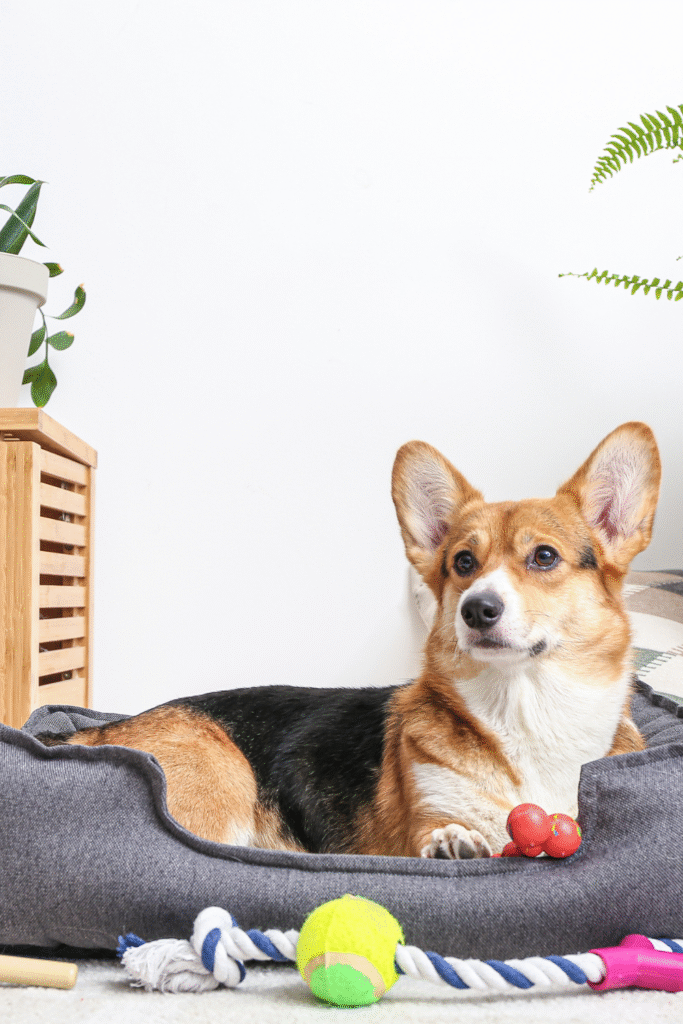
Boundary Setting
Establishing boundaries is an essential aspect of training and provides dogs with a clear understanding of their designated space.
A dog bed serves as a defined area where your pet can rest or retreat, reinforcing the concept of personal territory.
By encouraging your dog to use their bed consistently, you can help prevent behaviors such as climbing on furniture or taking over areas intended for humans.
This creates a sense of structure and security for your dog, while also maintaining household rules and order. Over time, this consistent practice promotes better behavior and helps your dog feel more comfortable and well-adjusted in their environment.
It educates your dog on where they should rest, which aids in training and reduces disruptive behavior.
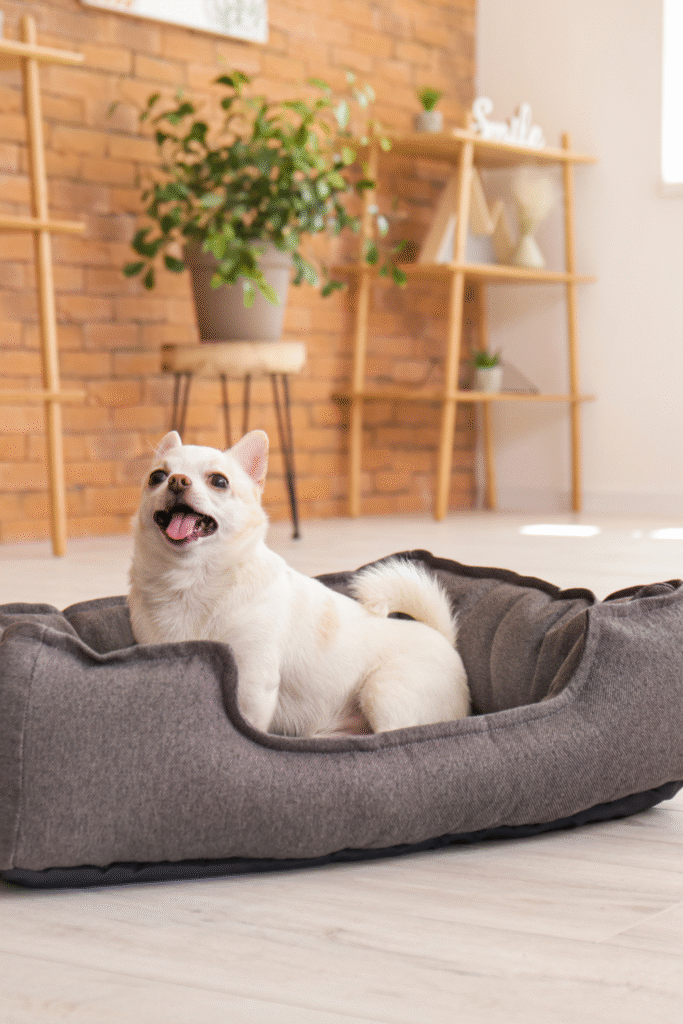
Prevents Joint Problems
Providing your dog with a designated place to rest, such as an orthopedic bed or a cushioned surface, can significantly help prevent joint issues, especially in breeds prone to hip dysplasia or arthritis.
Hard surfaces can put unnecessary pressure on your dog’s joints, leading to discomfort and potential long-term damage.
By offering proper support and cushioning, you ensure that your dog’s joints remain aligned and reduce the likelihood of inflammation or stiffness.
This becomes even more important as dogs age, as they are more susceptible to joint-related problems.
A well-chosen resting place contributes not only to their physical health but also to their overall quality of life.
Memory foam beds help prevent strain on joints over time, ensuring a healthier and more active pup.

Healthier Aging for Senior Dogs
Senior dogs often face a range of age-related issues, including arthritis, hip dysplasia, and general joint pain.
Providing them with a high-quality memory foam bed can alleviate these discomforts by reducing pressure on their joints and promoting proper alignment during rest.
This type of support not only mitigates pain but also helps improve mobility, allowing older dogs to stay active and engaged in their daily routines.
Additionally, memory foam beds retain warmth, which can soothe aching muscles and provide extra comfort during colder months.
By investing in the right resting surface, you can significantly enhance your senior dog’s quality of life, keeping them comfortable and happy well into their golden years.
Orthopedic dog beds provide specialized support for aging dogs with specific health concerns.
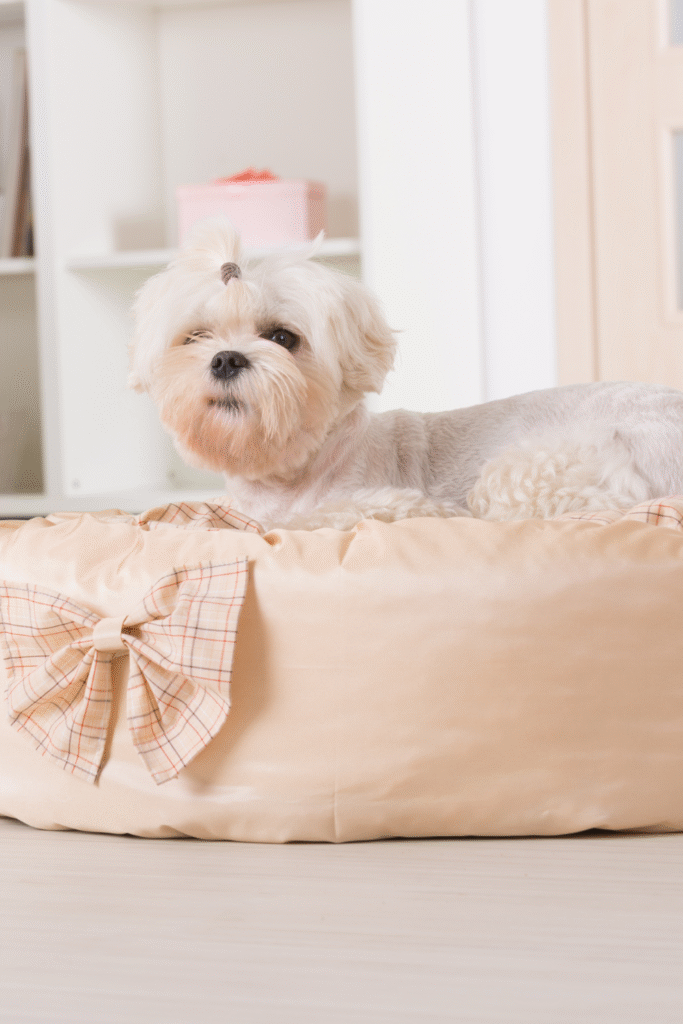
Personal Space for Your Pet
Creating a designated personal space for your pet is essential for their well-being and security.
This area serves as a retreat where your dog can relax, unwind, and feel safe. Choose a quiet, low-traffic corner of your home to set up their space, ensuring it’s free from excessive noise and disturbances.
Include comfortable items such as an orthopedic dog bed, soft blankets, and familiar toys to make the area inviting and soothing.
Having a consistent spot that they can call their own helps reduce anxiety and promotes a sense of routine, especially for senior dogs who may be more sensitive to changes in their environment.
A well-planned personal space not only supports your pet’s physical health but also their emotional comfort, fostering a harmonious atmosphere for the entire household.
A dog bed is a haven where your furry friend can retreat and relax without interruption.
Adaptable for Any Breed or Size
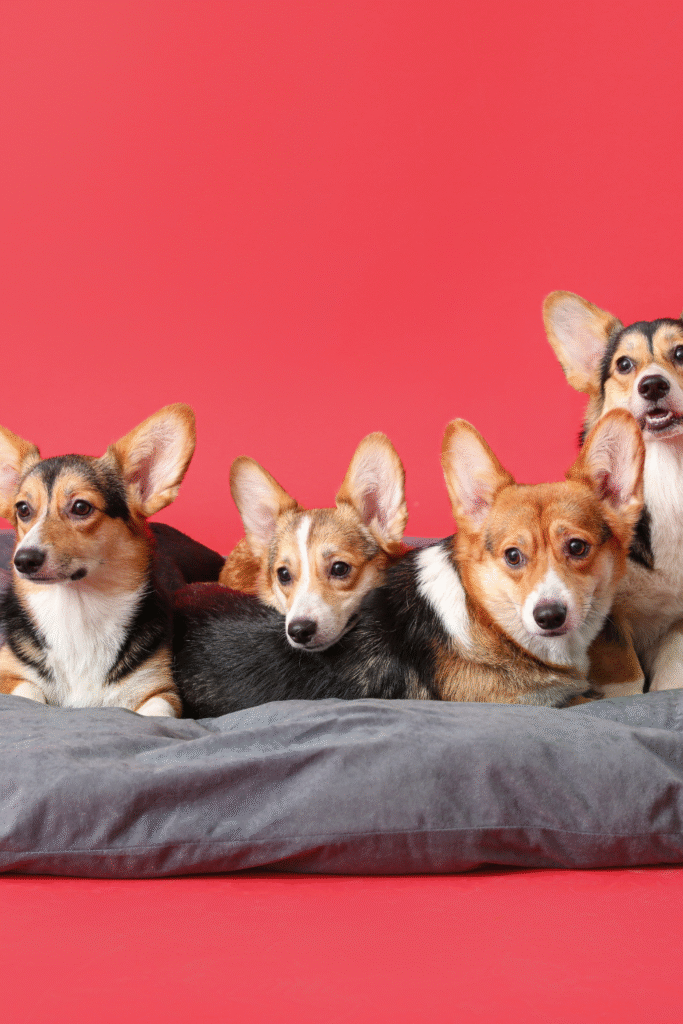
No matter the breed or size of your dog, there is a bed perfectly suited to their needs.
From small breeds like Chihuahuas that prefer cozy, enclosed spaces, to giant breeds like Great Danes that require extra-large, supportive surfaces, dog beds come in a variety of sizes and designs to accommodate every pet.
Many options feature adjustable or expandable materials, ensuring that your dog has ample room to stretch out or curl up comfortably.
Additionally, breed-specific considerations, such as orthopedic support for aging or larger dogs, further enhance the functionality and adaptability of these beds.
This flexibility allows every dog to enjoy a comfortable, personalized space tailored to their unique requirements.
From Chihuahuas to Great Danes, the variety of dog beds ensures there’s one to fit your dog perfectly.
Understanding Your Dog’s Sleep Style
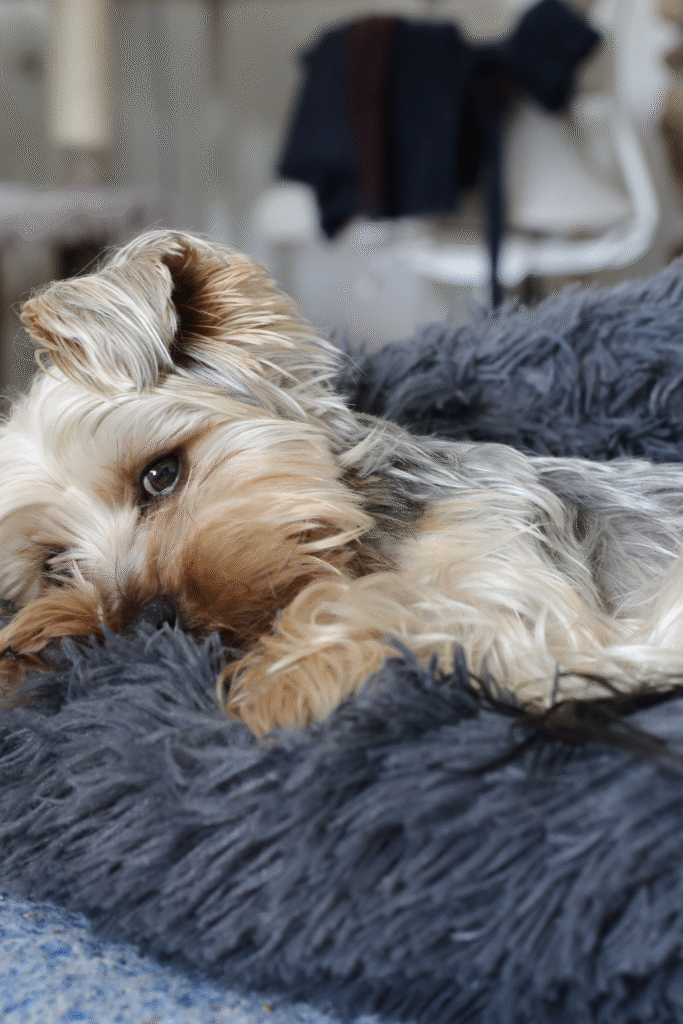
Your dog’s unique sleeping habits play a big role in selecting the perfect dog bed. Here’s how to decipher their preferred sleep style.
- The Curler
If your dog curls into a ball, they’ll benefit from a round or bolster bed that provides warmth and support on all sides.
- The Sprawler
Dogs who stretch out need a large, flat mattress-style dog bed for maximum space and comfort.
- The Leaner
Does your pup lean against furniture while sleeping? Bolstered or couch-style beds are ideal for this behavior.
- The Burrower
Some dogs love to burrow under blankets. Beds with covers or cave designs can replicate this snuggling experience.
- Back Sleepers
If your dog sleeps belly-up, a flat, cushioned dog bed with great padding is critical for proper support.
- Side Sleepers
Side sleepers need slightly bigger beds to accommodate their outstretched legs. Look for extra-padded options.
- Restless Sleepers
Dogs that toss and turn need a spacious and structured dog bed, such as a memory foam or orthopedic option.
- Small-Space Sleepers
Compact or cuddler-style dog beds suit small breeds or dogs that enjoy cozying up in confined spaces.
- Outdoor Nap Lovers
Outdoor-friendly beds are ideal for dogs who enjoy basking under the sun. Choose weatherproof materials.
- Breed-Specific Behavior
Some breeds have unique tendencies, like Greyhounds preferring flat, slim designs. Understand your breed’s background.
Sizing the Perfect Dog Bed
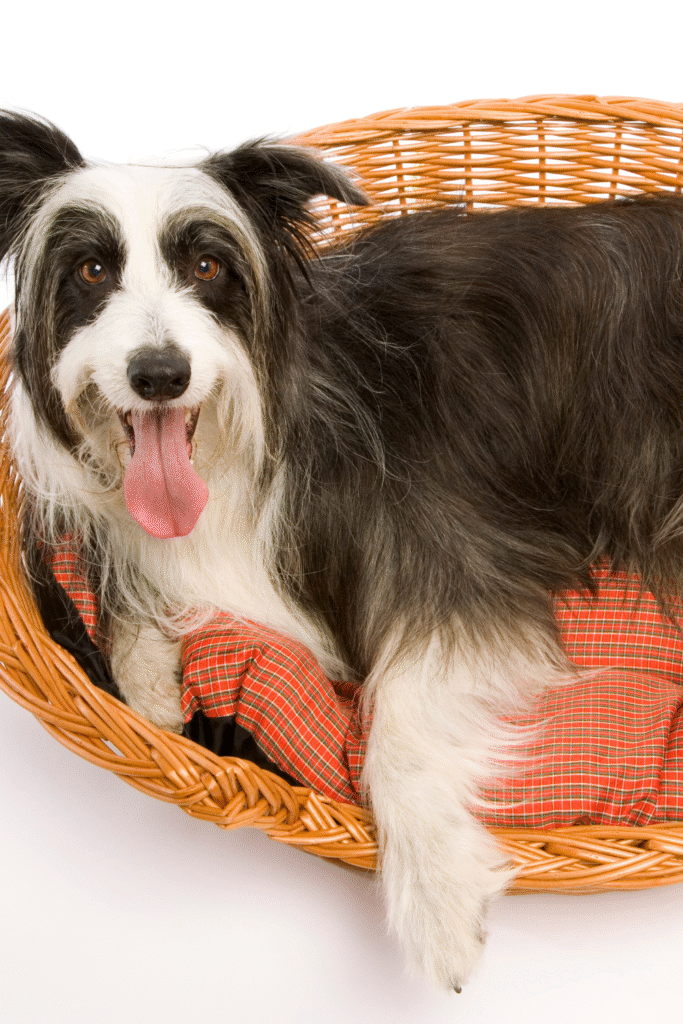
Getting the right size ensures your pet enjoys their bed to the fullest.
- Measure Your Dog’s Length
To measure your dog’s length, have your dog stand upright on a flat surface. Use a measuring tape to determine the distance from the tip of their nose to the base of their tail—not including the tail itself.
This ensures the bed you choose accommodates their full body length comfortably.
For dogs that like to stretch out, consider adding a few extra inches to their total length measurement to provide additional space.
This step is crucial for ensuring your dog has enough room to relax fully, promoting better rest and overall comfort.
Take measurements from the snout to the end of the tail. Add 8-12 inches for extra space.
- Account for Weight
When considering your dog’s weight, it’s essential to select a bed that offers appropriate support and durability.
Heavier dogs require beds with denser, high-quality materials such as memory foam or orthopedic support to prevent the bed from sagging or losing shape over time.
Lighter dogs may find comfort in softer, plush beds, which conform more easily to their body.
Additionally, take into account the bed’s weight capacity to ensure it can adequately support your dog without compromising their comfort.
Proper weight accommodation is vital, as it contributes to joint health and can prevent issues like arthritis or pressure sores, especially in larger breeds.
Heavier dogs need thicker padding or memory foam beds for maximum support.
- Know Your Breed’s Standard Size
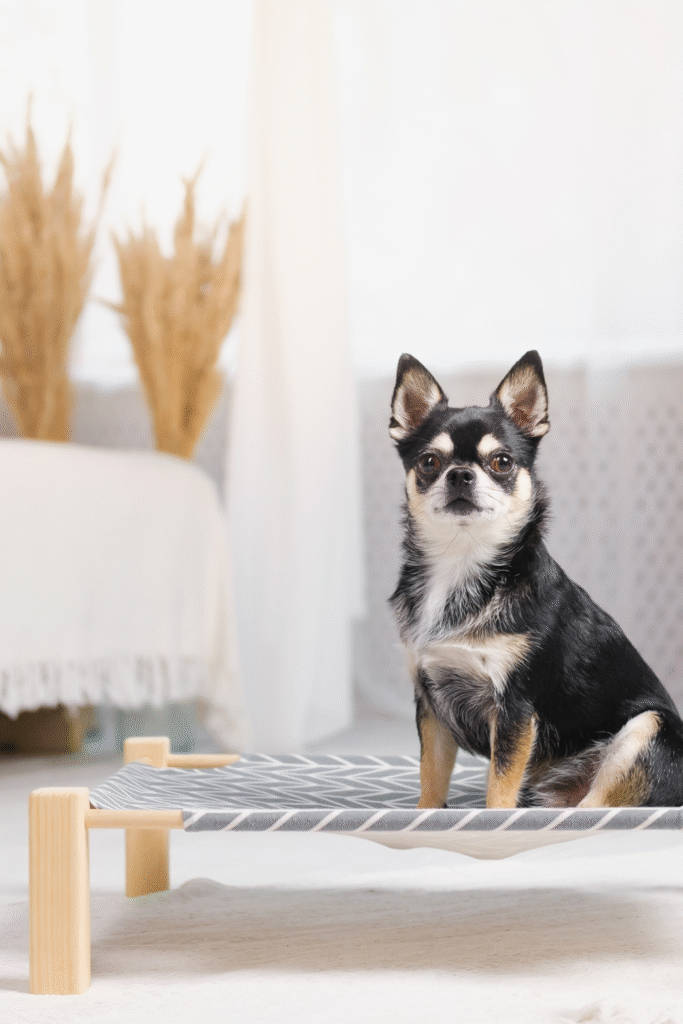
Understanding your breed’s standard size is crucial when selecting the most suitable bed for your dog.
Each dog breed comes with unique size and weight ranges, and choosing a bed that accommodates these dimensions ensures optimal comfort and support.
For small breeds like Chihuahuas or Dachshunds, a compact bed that fits their petite frames is ideal, while larger breeds like Labradors or Great Danes require oversized beds to match their size.
Always measure your dog from nose to tail and add a few inches to account for stretching or shifting during sleep.
This ensures your dog has enough room to relax comfortably without feeling cramped.
Paying attention to your dog’s sleeping habits, whether they curl up or sprawl out, can also help you determine the right bed size. Proper sizing is a key factor in both their physical well-being and overall happiness.
Smaller breeds like terriers require specific sizes compared to larger breeds like Labradors.
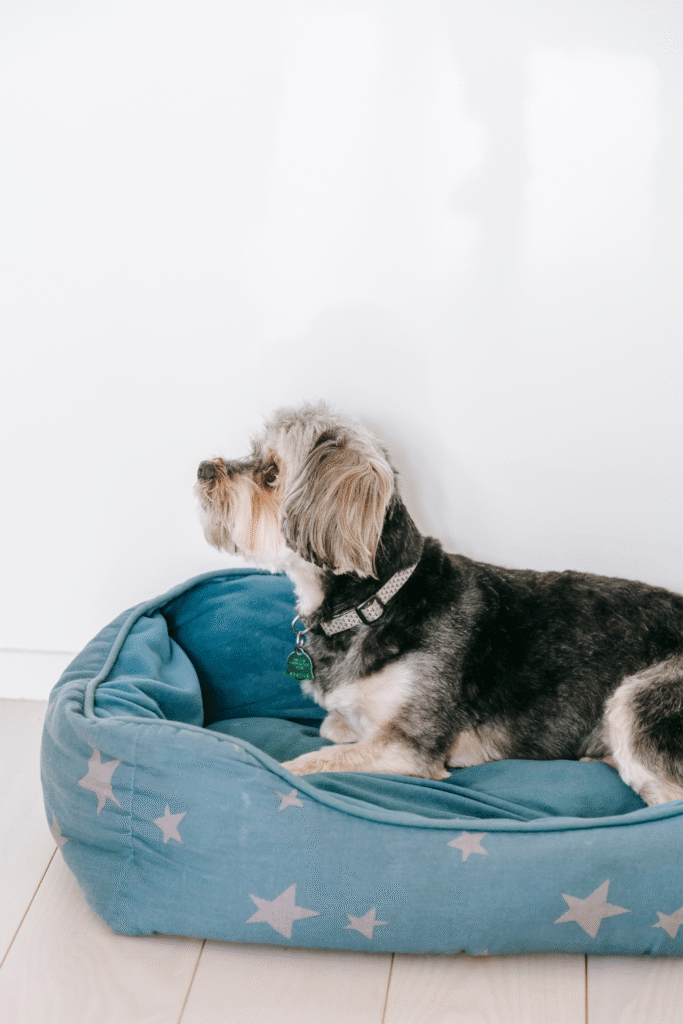
- Comfort Over Aesthetics
While it may be tempting to choose a dog bed based on how well it matches your home decor, it is far more important to prioritize your dog’s comfort.
A bed with supportive materials, such as memory foam or orthopedic padding, can make a significant difference, particularly for older dogs or those with joint issues.
Additionally, consider factors like temperature regulation—beds with cooling gel or breathable fabrics can be ideal for warmer climates, while plush, insulated options are better for colder environments.
Remember, your dog’s well-being and quality of rest should come before visual appeal when selecting their ideal bed.
While a pretty dog bed is tempting, prioritize one that fits ideally over the looks.
- Adjust for Sleep Positions
Dogs, like humans, have unique sleep preferences, and their favorite positions can tell you a lot about the best bed for them.
For instance, if your dog loves to sprawl out, a flat, spacious mattress-style bed without bolsters or edges is ideal.
On the other hand, dogs that curl up tightly might prefer a round or oval bed with raised edges, which provides a sense of security and warmth.
If your pup enjoys stretching out but also appreciates some support, a bed with bolsters on a few sides might strike the perfect balance.
Observing your dog’s natural resting habits is key to determining the right shape and structure of their bed, ensuring maximum comfort and restful sleep.
If your dog stretches, opt for larger beds; compact options suit curlers.
- Compact vs. Spacious
A compact bed is ideal for smaller breeds or dogs that love to curl up while sleeping.
These beds not only save space but also provide a cozy, snug environment that many dogs find comforting. On the other hand, spacious beds are better suited for larger breeds or dogs that prefer sprawling out when they rest.
These beds allow more room to stretch while preventing any discomfort from cramped positions.
Additionally, considering your dog’s growth and future needs is essential—puppies may benefit from spacious options that adapt as they mature, while older dogs might appreciate a bed that prioritizes support and ample space for joint relief.
Smaller dogs may not feel safe in oversized designs due to lack of boundaries.
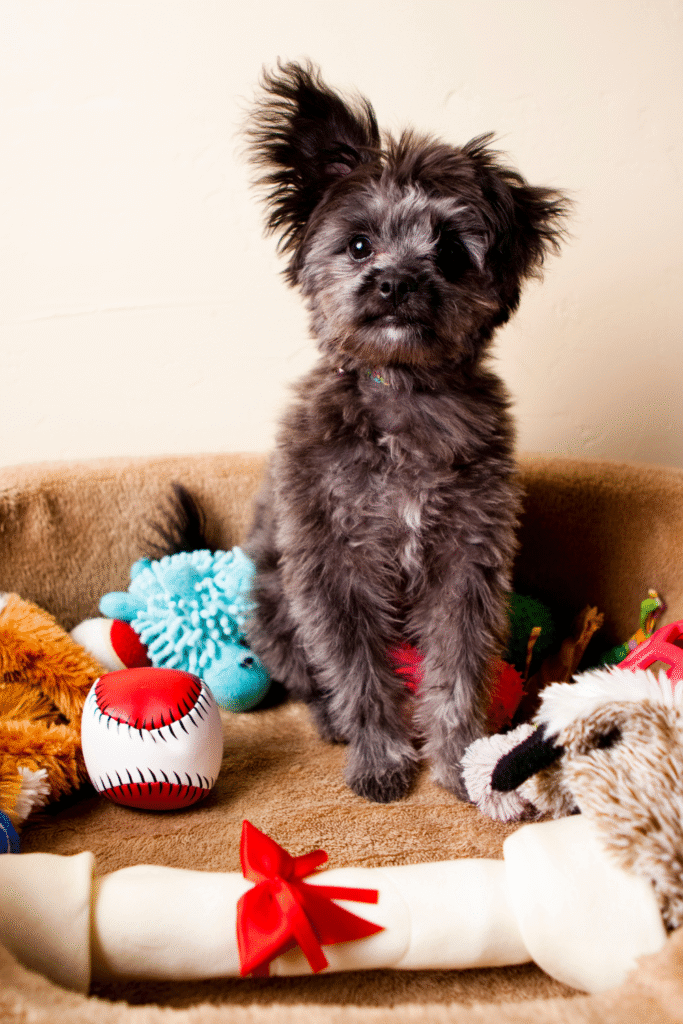
- Puppy Growth
Puppies experience rapid growth during their early months, which means their needs can change quickly.
Selecting a bed with adjustable or accommodating features ensures it remains suitable as they grow larger.
Look for beds with durable, high-quality materials that can withstand their playful nature and potential chewing tendencies.
Additionally, soft and supportive bedding helps promote healthy development of their bones and joints during this crucial stage.
Providing the right size and comfort early on not only keeps them cozy but also helps instill a sense of security in their environment.
If buying for a puppy, select adjustable or oversized designs to accommodate their growing size.
- Consider Multi-Dog Use
If you have more than one dog, it’s essential to select products that are suitable for shared usage.
Opt for durable materials that can handle the wear and tear of multiple dogs interacting with the item simultaneously.
For bedding, ensure it is spacious enough to accommodate more than one dog comfortably, allowing them to rest together without feeling cramped.
Additionally, toys and accessories should be designed to withstand shared play, reducing the likelihood of damage or disputes among the dogs.
Prioritizing multi-dog-friendly products not only enhances their experience but also ensures lasting value for pet owners.
For homes with multiple dogs, investing in a larger, shared dog bed may be a better solution.

- Flexible Sizes
Larger dog beds should come in a variety of flexible sizes to accommodate the needs of different dog breeds and sizes.
For instance, a shared bed for a smaller pair of dogs might differ significantly from one meant for larger breeds or a mixed group.
Adjustable designs, such as beds with removable cushions or expandable sections, provide even more versatility, making it easier to create a comfortable space for multiple dogs.
Additionally, having size options ensures that the bed can fit seamlessly in various living spaces, from small apartments to more spacious homes.
Convertible beds offer a unique solution where sizing varies through adjustments.
- Trial and Error
Trial and error plays a crucial role in finding the perfect dog bed setup. Every dog has unique preferences, and what may seem ideal at first might not align with their comfort or habits.
For instance, some dogs may prefer a firmer surface for better support, while others might gravitate toward plush, cushioned materials that provide a sense of coziness.
Observing how your dog interacts with the bed can give valuable insights into their needs.
It’s also essential to test different placements around the house, as factors like temperature, noise levels, or proximity to family members might influence your dog’s level of comfort.
Over time, experimenting with various bed types, sizes, and arrangements will ensure that you create an environment that your dog truly enjoys.
Sometimes, testing a few options is necessary for determining the perfect size.
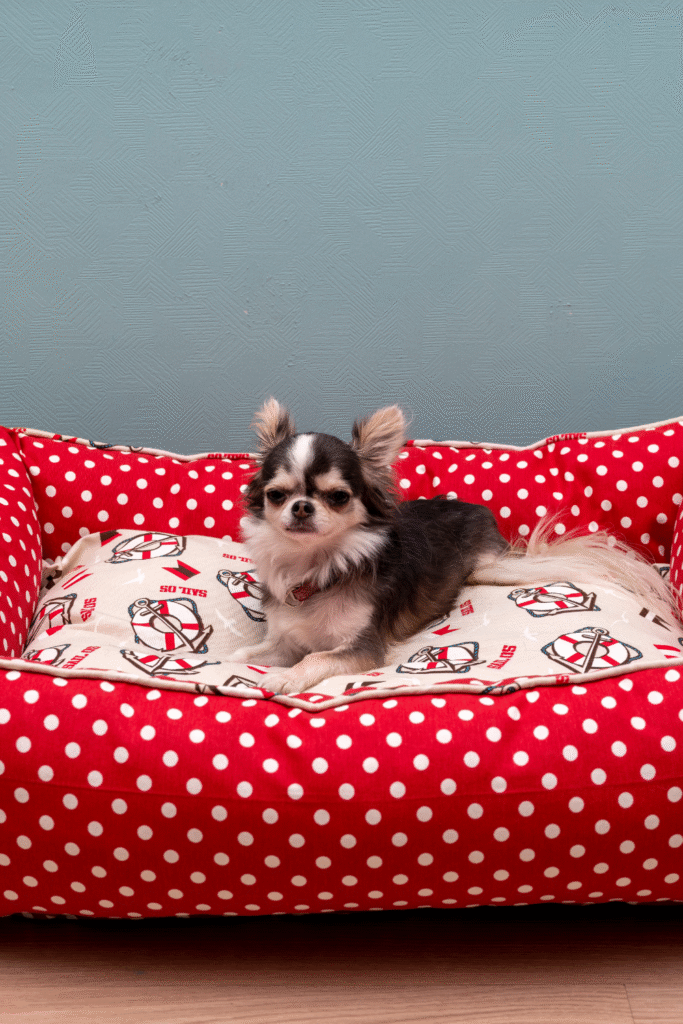
Types of Dog Beds
Popular Styles of Beds for Dogs
| Type | Key Features | Best For |
| Orthopedic Beds | High-density foam for joint support | Senior dogs |
| Bolster Beds | Raised edges for leaning or curling | All sleeping styles|
| Pillow Beds | Large cushions, versatile design | Sprawlers |
| Cave Beds | Covered, for burrowers | Small/nervous dogs |
| Heated Beds | Warmed interiors, winter comfort | Cold climates |
| Elevated Beds | Cot-style, durable outdoor use | Large/outdoor dogs |
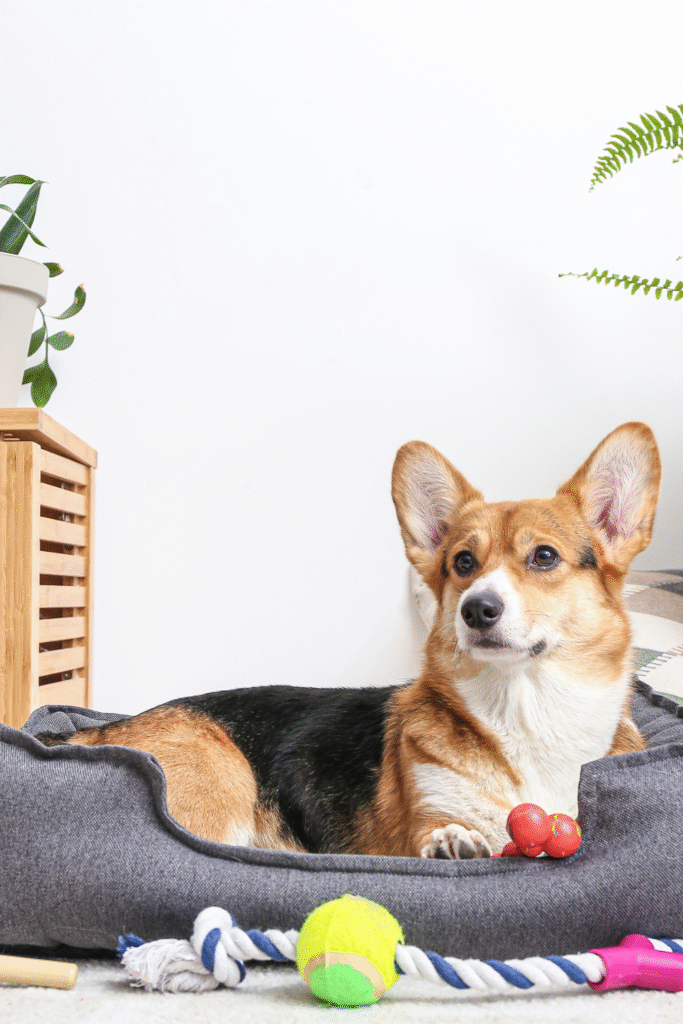
Key Factors to Consider When Buying a Dog Bed
- Durability
Look for tear-resistant materials, especially for teething puppies or aggressive chewers.
- Ease of Cleaning
Opt for machine-washable covers or waterproof liners to extend the dog bed’s lifespan.
- Material Quality
Invest in hypoallergenic or orthopedic materials to suit your dog’s unique needs.
- Budget-Friendly Options
While quality matters, affordable yet durable options are available for all budgets.
- Safety First
Remove tags or choking hazards on any new dog bed to prevent accidents.
6.Temperature Regulation
Consider beds with cooling gel inserts or heating elements depending on your dog’s needs and the climate. These features can help keep your pet comfortable year-round.
7. Portability
If you frequently travel with your dog, opt for a lightweight and easily foldable bed. Portable options ensure your dog enjoys comfort no matter where you go.
8.Style and Aesthetics
Dog beds come in a variety of designs and colors that can complement your home décor. Choose a style that suits both your taste and your dog’s comfort.
9.Size Appropriateness
Ensure the bed is the right size for your dog. There should be enough space for them to stretch out fully without hanging off the edges.
When selecting a dog bed, it’s essential to consider your pet’s unique preferences and habits. Observing their sleeping style and behavior will help you choose a bed that they’ll love and use regularly.
FAQs
1. How often should I replace my dog’s bed?
It depends on the quality of the bed and your dog’s usage, but typically, a dog bed should be replaced every 1-2 years or sooner if it shows signs of wear and tear or becomes uncomfortable.
2. How do I clean my dog’s bed?
Most dog beds come with removable covers that are machine washable. Check the care label for specific cleaning instructions, and ensure the bed is kept clean to maintain hygiene.
3. What material is best for dogs with allergies?
Hypoallergenic materials such as memory foam or beds with washable, non-toxic covers are ideal for dogs prone to allergies. Avoid materials that trap dust or dander.
4. Can outdoor dog beds be used indoors?
Yes, outdoor dog beds are designed to be durable and weather-resistant, making them suitable for both indoor and outdoor use.
5. What type of bed is best for older dogs?
Orthopedic beds with memory foam or supportive cushioning are best suited for older dogs, especially those with joint pain or arthritis, as they offer enhanced comfort and support.
6. How often should I clean my dog’s bed?
It is recommended to clean your dog’s bed every 1-2 weeks, depending on your dog’s activity level and how much they shed. Always check the manufacturer’s instructions for specific washing guidelines.
7. Are heated dog beds safe?
Yes, heated dog beds are generally safe, as long as they are used properly and purchased from a reputable manufacturer. Always monitor your dog while using a heated bed to ensure they do not overheat.
8. What size dog bed should I buy?
Choose a bed that is large enough for your dog to stretch out comfortably. Measure your dog from nose to tail and add a few extra inches to determine the ideal bed size.
9. Can I use a dog bed for a puppy?
Yes, but make sure the bed is durable and easy to clean, as puppies are prone to chewing and accidents. Consider beds specifically designed for puppies, which often include washable covers.
10. How can I stop my dog from chewing their bed?
To discourage chewing, provide your dog with plenty of chew-friendly toys and monitor their behavior. Choose beds made from chew-resistant materials, and ensure your dog is getting enough physical and mental stimulation to avoid destructive habits.